
What Should I Wear and Bring to My First Dance Fitness Class?
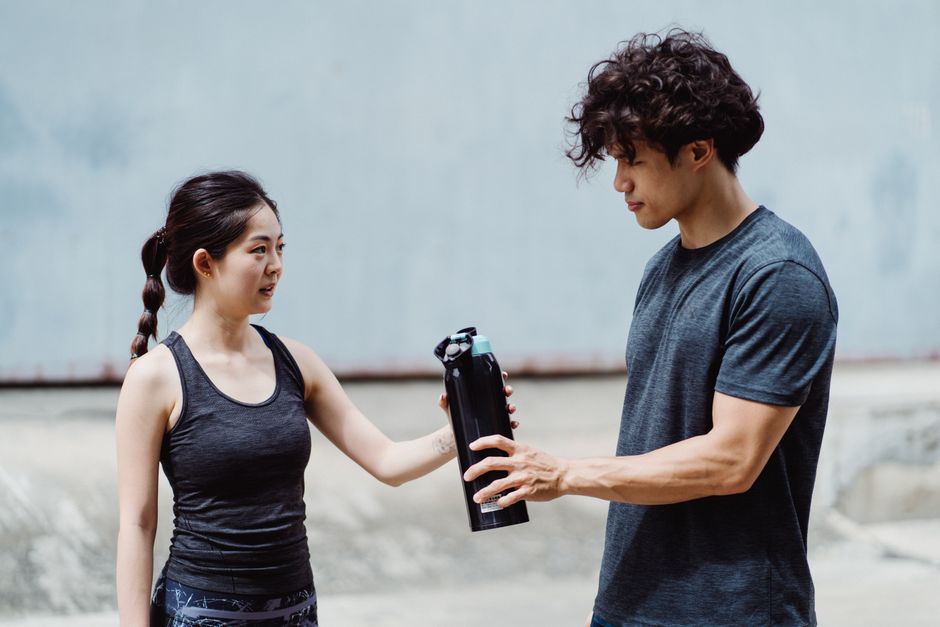
Wear clothes that let you move without fuss, choose footwear that matches the class, bring water in a sealed bottle, and arrive early enough to speak with the instructor. Start smaller than the room around you: step instead of jump, turn slowly, and pause when pain, extreme discomfort, or light-headedness appears.
The first class is not an audition. It is a map-reading exercise: watch, copy what is clear, and let the rest go.
What should I wear to a dance exercise class if I have never danced before?
Wear comfortable clothing that suits the format and leaves room for the movements. UC Davis notes that loose, comfortable clothes can suit hip-hop, casual streetwear can suit ballroom, and ballet classes can carry a dress code. The room sets the rules. Ask before arriving if the listing does not say.
For dance fitness, breathable workout basics such as leggings, shorts, a T-shirt, or a tank top are the practical starting point. Zumba Fitness names those options for a first class. The useful test is plain: fabric should let the arms rise, knees bend, and torso turn without constant pulling or readjusting.
A ballroom class and a studio dance class do not ask the same thing of clothing. Neither does a hip-hop session and a ballet class. The class description, then the instructor, are better guides than a general shopping list.
Arrive with enough time to settle in. The University of Iowa Department of Dance recommends arriving about five minutes early for adult class. Put the phone away and silence it. Listen during demonstrations. Save a detailed personal question for after class when the instructor is free.
Tell the instructor about a known injury or physical concern before class. That changes the information available to them. The University of Iowa also says to stop and inform the instructor if pain, extreme discomfort, or sudden light-headedness begins. Effort is one thing. Warning signs are another.
Do I need dance shoes, or can I wear trainers?
You do not need to buy dance shoes before a first class; trainers can work when the format permits them, while specialty styles call for the instructor's guidance. UC Davis advises first-time students to ask whether the teacher provides beginner shoes rather than buying footwear at once. Shoes are equipment, not a costume.
For Zumba and similar dance-fitness formats, Zumba Fitness recommends cross-training or aerobic-style shoes because they provide cushioning and support for side-to-side movement. The same guidance cautions that running shoes can be a poor match: their heavy tread is built for forward movement and can make sliding and turning harder.
That distinction matters when the floor changes direction under the feet. A shoe that grips too hard can interrupt a turn. A shoe that feels unstable can make side steps less secure. The right answer changes with the class, the floor, and the movement pattern.
Peer-reviewed research offers one reason not to rush the pace. In a convenience survey of adult Zumba participants published in the Hawaii Journal of Medicine & Public Health, the authors advised choosing footwear that permits stable side-to-side movement and turning. They also advised beginning with no more than three classes in a week and leaving one or two rest days between classes when starting. Those are study-author recommendations, not a rule for every participant.
Ballroom, ballet, and other studio formats can have their own footwear rules. Ask the teacher what is allowed, what the floor requires, and whether socks or beginner shoes are appropriate. A first visit is for information as much as movement.
Should I bring water, a towel, or a change of clothes to dance fitness?
Bring water in a sealed non-glass bottle; a small towel and change of clothes are optional practical items, not requirements. The University of Iowa permits water in a sealed non-glass container and does not allow other food or drink in class. Zumba Fitness also recommends a full water bottle and lists a small towel as optional.
Hydration is not decoration. UC Davis includes staying hydrated among its guidance for getting started with dance. Pack the bottle where it is easy to reach, then use breaks rather than trying to manage it during a moving sequence.
A towel earns its place when sweat would make hands, face, or clothing distracting. A change of clothes earns its place when the class sits between work, travel, or another commitment. Neither item changes whether a person belongs in the room.
Intensity does change how the session feels. The Centers for Disease Control and Prevention classifies ballroom or line dancing as moderate-intensity activity and vigorous dancing as vigorous-intensity activity. The CDC also stresses that intensity is relative: the same routine can land differently for people with different fitness levels.
The talk test is a clean check. At moderate effort, the CDC says a person can talk but not sing. During vigorous effort, only a few words come out before a breath is needed. When the pace outruns control, reduce the move rather than forcing the full version.
Step instead of jump. Take a smaller range of motion. Replace a fast turn with a slow pivot or a step in place. Zumba Fitness specifically suggests marching in place or stepping side to side until the participant is ready to rejoin. The choreography keeps moving. So can the participant, at a chosen scale.
The CDC recommends starting slowly, choosing activity that fits a person's age, fitness, and skill level, and increasing activity gradually as confidence and ability grow. The CDC also names classes as a way to build new skills. Being new is not a breach of etiquette. It is the reason beginner instruction exists.
Frequently Asked Questions
Where should a beginner stand in a dance class?
A middle or back spot with a clear view of the instructor gives a beginner room to watch the movement before joining it. Zumba Fitness suggests this placement for a first class. The best position is one that lets the participant see clearly without feeling boxed in.
What do I do if I cannot keep up with the choreography?
March in place or step side to side, then rejoin when the next movement is clear. Zumba Fitness gives this as a first-class modification. Missing a sequence is not a safety problem; pain, extreme discomfort, and sudden light-headedness are signals to stop and tell the instructor.
Can I join an adult dance class if I am out of shape?
UC Davis states that people with any amount of experience can get started in dance, including people returning to regular activity. The CDC recommends starting slowly and building activity as confidence and ability grow. A class that fits the participant's current skill and fitness level gives the instructor a chance to offer suitable options.
Sources
- Centers for Disease Control and Prevention: Measuring Physical Activity Intensity
- Centers for Disease Control and Prevention: Overcoming Barriers to Physical Activity
- University of California, Davis: How to Get Started in Dance
- University of Iowa Department of Dance: Adult Class Etiquette
- Hawaii Journal of Medicine & Public Health: Zumba-Related Injuries
- Zumba Fitness: Preparing for Your First Zumba Class
- Zumba Fitness: Footwear FAQ
Disclaimer: This article is for general information only and is not medical advice. It is not a substitute for diagnosis or treatment by a qualified healthcare professional. Always speak to your doctor before acting on anything you read here.
Read next

Is My Stomach Bloating, Belly Fat, Posture, or Something Else?
Learn how timing, symptoms, and visible changes can help distinguish bloating, belly fat, posture-related appearance, and warning signs.
Can I Look Less Bloated in Three Days Without Losing Fat?
A safety-first three-day guide to reducing temporary bloating without confusing water shifts with fat loss.