
Is My Stomach Bloating, Belly Fat, Posture, or Something Else?
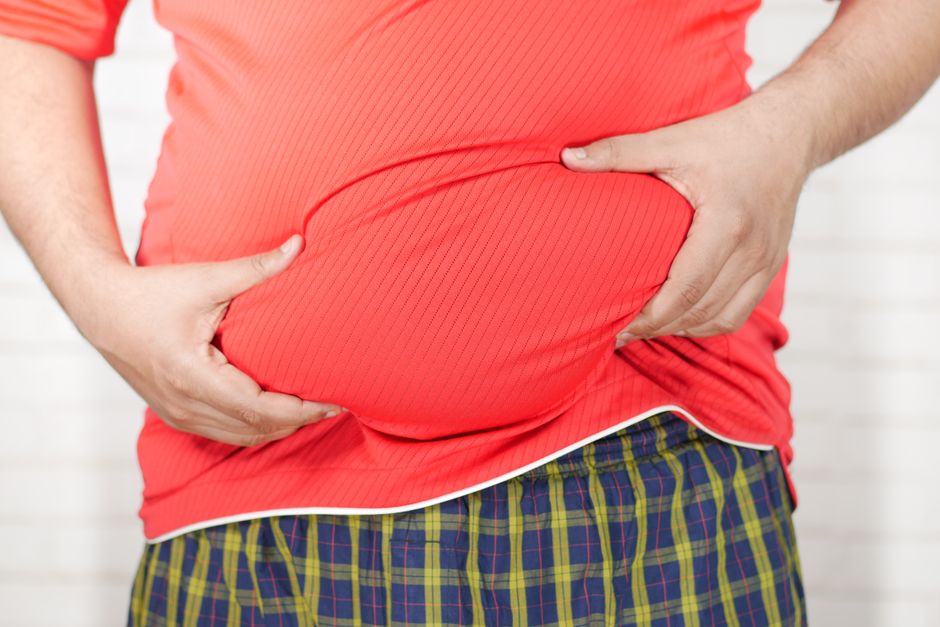
A stomach that sticks out can reflect body-fat distribution, digestive bloating, visible distention, or the way the diaphragm and abdominal wall are working. Timing offers the clearest clue: a shape that changes through the day or after meals points toward bloating or distention, while a stable shape points more toward body tissue. Persistent or painful symptoms need clinical assessment.
How can I tell whether my stomach is bloated or whether it is belly fat?
The useful distinction is change over time: bloating and distention can rise and fall, while body-fat distribution does not usually shift from one meal or one evening to the next.
NIDDK defines bloating as a feeling of fullness or swelling in the abdomen. Distention means the abdomen becomes larger than usual. The two are not the same event: NIDDK reports that only about half of people with bloating also have visible distention.
That split matters. A person can feel swollen without seeing a changed outline. Another can see a changed outline without knowing its cause from a mirror alone.
| Pattern | What it suggests | What to record |
|---|---|---|
| Similar outline across days and times | Body-fat distribution is one possible contributor | Whether the outline stays stable rather than changing after meals or bowel movements |
| Fullness, rumbling, gas, or discomfort after eating | Bloating symptoms fit this pattern | Meal timing, food or drink, symptoms, and bowel pattern |
| Visible size change across the day | Distention fits this pattern | When the size change begins and what occurs with it |
| New or worsening symptoms | Appearance cannot settle the question | Symptoms, medicines and supplements, and changes in bowel habits for a clinician |
This is not a home diagnosis tool. Mayo Clinic's clinical guidance says an assessment of chronic bloating or distention looks at onset and timing, diet, medicines and supplements, surgery history, and bowel-movement patterns. Food intolerance, constipation, IBS, celiac disease, pelvic-floor dysfunction, adiposity, and other conditions can sit behind the same outward shape.
A record gives the pattern a shape. It does not assign a cause. Note the clock, meals, symptoms, visible change, bowel habits, and any sudden break from the usual pattern.
Why is my stomach flat in the morning but bigger at night?
A belly that is flatter in the morning and larger at night fits a time-based bloating or distention pattern more than a stable body-fat pattern.
Gas symptoms often occur during or after meals, according to NIDDK. The NHS lists a tummy that feels full or bigger than usual, discomfort, rumbling, and increased gas among bloating symptoms. Its listed causes include gas, constipation, food intolerance, coeliac disease, IBS, and menstrual-cycle-related symptoms.
More gas is not the only explanation. Mayo Clinic states that many people with bloating do not have more intestinal gas than other people. Sensitivity to intestinal gas and stomach symptoms can also shape the experience, especially in IBS or anxiety.
Timing is evidence. It is not a verdict.
In the 2023 Rome Foundation Global Epidemiology Study, published in Clinical Gastroenterology and Hepatology, nearly eighteen percent of the general population reported bloating at least once per week. The same 2023 study found strong associations between weekly bloating and abdominal pain or epigastric pain. Frequent symptoms deserve more than a guess about appearance.
Can poor posture make my belly look bigger?
Posture can change the outline you see, but a protruding abdomen cannot be assigned to posture from appearance alone.
Mayo Clinic describes a related physical mechanism in some people with bloating and distention: the diaphragm descends or contracts inappropriately while the abdominal wall relaxes, allowing the abdomen to protrude. This is called an abnormal viscerosomatic reflex. It describes a change in how the trunk is held, not proof that ordinary posture is the cause.
That distinction stops two bad conclusions. A changed outline is not proof of excess abdominal fat. A changed outline is also not proof that standing straighter will resolve digestive symptoms.
Core training still has value for core function. It is not a spot-reduction tool. In a 2011 randomized study of sedentary adults published in the American Journal of Physiology - Endocrinology and Metabolism, six weeks of abdominal exercise alone improved abdominal muscular endurance but did not significantly change body weight, body-fat percentage, waist circumference, or abdominal-fat measures.
Strength is one thing. Selective fat loss is another.
Frequently Asked Questions
Will ab exercises fix a stomach that sticks out?
Ab exercises can strengthen abdominal muscles and improve endurance, but they do not selectively remove abdominal fat. In the 2011 randomized study published in the American Journal of Physiology - Endocrinology and Metabolism, six weeks of abdominal exercise alone did not significantly change body weight, body-fat percentage, waist circumference, or measures of abdominal fat.
Why do I look lean everywhere except my stomach?
A stable abdominal outline can reflect where body tissue is carried, while a changing outline can reflect bloating or visible distention. Mayo Clinic's clinical guidance also lists adiposity among the potential contributors to chronic bloating or distention, so appearance alone cannot sort the cause.
When is persistent bloating a reason to see a doctor?
The NHS advises a medical appointment for regular bloating, bloating that does not go away after diet changes, unintentional weight loss, or blood in stool. Urgent assessment is advised when bloating occurs with vomiting, diarrhea or constipation, stomach pain, fever, an abdominal lump or swelling, or inability to urinate, pass stool, or pass gas.
The point is not to label every protruding stomach. The point is to separate a stable shape from a changing symptom, then take persistent change seriously.
Sources
- National Institute of Diabetes and Digestive and Kidney Diseases: Symptoms and Causes of Gas in the Digestive Tract
- National Health Service: Bloating
- Mayo Clinic: Understanding and Managing Chronic Abdominal Bloating and Distension
- Mayo Clinic: Gas and Gas Pains
- American Journal of Physiology - Endocrinology and Metabolism: The Effect of Abdominal Exercise on Abdominal Fat
- Clinical Gastroenterology and Hepatology: Rome Foundation Global Epidemiology Study
Disclaimer: This article is for general information only and is not medical advice. It is not a substitute for diagnosis or treatment by a qualified healthcare professional. Always speak to your doctor before acting on anything you read here.
Read next
Can I Look Less Bloated in Three Days Without Losing Fat?
A safety-first three-day guide to reducing temporary bloating without confusing water shifts with fat loss.

What Should I Wear and Bring to My First Dance Fitness Class?
A clear first-class guide to dance-fitness clothing, shoes, etiquette, water, and lower-impact movement options.