
Can I Look Less Bloated in Three Days Without Losing Fat?
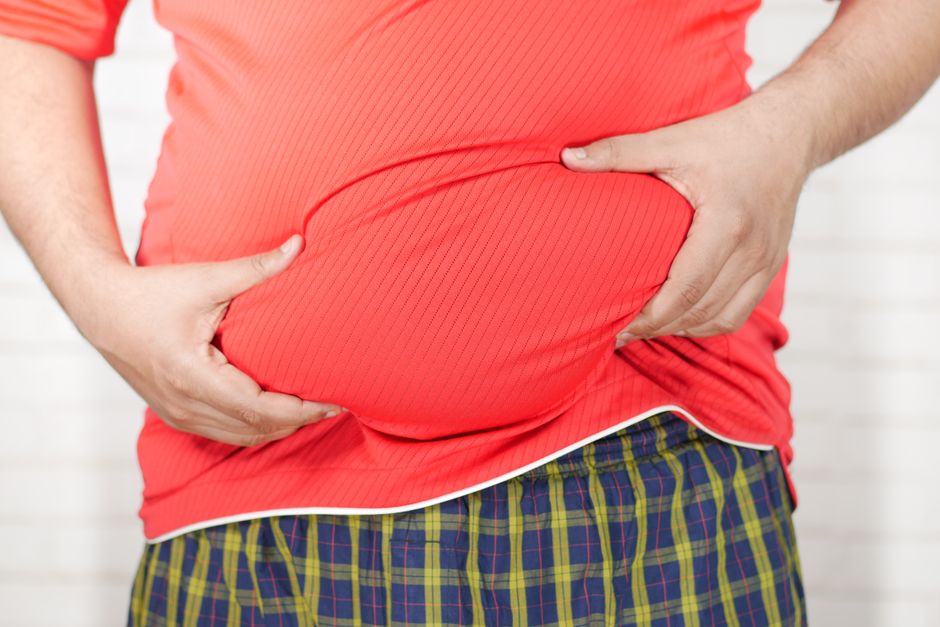
In three days, the scale and your midsection can look different without meaningful fat loss. Food still being digested, gas, sodium-related fluid retention, hydration, and stored carbohydrate all shift body weight and abdominal comfort. The safer goal is not to force rapid loss. It is to reduce known triggers, eat regular modest meals, drink water, sleep, and avoid dehydration or purge products.
Can I actually lose weight in three days, or is it just water weight?
Short-term weight loss is often a change in water, stored carbohydrate, and food volume, not a measure of fat loss.
Body weight is a snapshot. It includes fluids, digestive contents, and glycogen, the stored form of carbohydrate. Research indexed by PubMed reports that glycogen holds water, so a lower-carbohydrate intake can lower body mass over a short period by changing glycogen and fluid. That study does not establish fat loss.
A second PubMed-indexed study found that dehydration and high-carbohydrate intake produced marked short-term body-mass changes while total fat mass did not change. The scale records mass. It does not explain the mass.
That distinction protects against a common mistake. A lighter reading after severe food restriction, sweating, or water cutting is not proof that body fat has changed. A heavier reading after a salty meal or a higher-carbohydrate day is not proof of fat gain.
Three days can improve comfort and reduce temporary puffiness. They are not a useful deadline for judging a fat-loss plan.
How can I reduce bloating before a wedding, vacation, or photoshoot?
The practical route is to reduce swallowed air and avoid personal food triggers while keeping meals, fluids, sleep, and movement steady.
Bloating is the feeling of abdominal fullness or swelling. The National Institute of Diabetes and Digestive and Kidney Diseases explains that gas enters the digestive tract through swallowed air and when large-intestinal bacteria break down undigested carbohydrates. Feeling bloated and having visible abdominal distention are not the same thing.
The NIDDK names a plain set of measures: eat more slowly, choose smaller and more frequent meals, and avoid fizzy drinks, chewing gum, hard candy, and straws. These are not tricks. They reduce opportunities to swallow air.
Some foods worsen gas symptoms for some people, including legumes, cruciferous vegetables, foods high in fiber, fructose or lactose, and sweeteners ending in -ol, according to the NIDDK treatment guidance. The useful approach is familiar food, not a sweeping new diet before an event. A food that has caused trouble before is a poor experiment now.
| Time | Conservative focus | What it avoids |
|---|---|---|
| First day | Regular, modest meals eaten slowly; water as the main drink. | Large meals and rushed eating. |
| Middle day | Keep meals predictable; skip fizzy drinks, gum, hard candy, and straws if gas is a pattern. | Extra swallowed air. |
| Day before and event day | Choose foods already known to sit well; allow time for sleep and gentle movement. | Last-minute restriction, unfamiliar supplements, and hard training. |
The American Heart Association states that water is the best hydration choice for most people. Water cutting runs in the wrong direction. Dehydration can bring thirst, dizziness, fatigue, headache, and swollen feet.
Sodium deserves restraint, not panic. The American Heart Association explains that extra sodium causes the body to retain water, which can show up as puffiness, bloating, and weight gain. Keeping intake steady and avoiding unusually salty meals is a more sensible short-term choice than trying to erase salt from every meal.
There is no need to turn preparation into an accounting puzzle. For a different kind of calculation, see Furniture Sale Math: Find the Lowest Final Price. Here, the clearest signal comes from routine.
Why does my weight change by several pounds in a few days?
Weight can change by several pounds in a few days because the body carries changing amounts of water, glycogen, and digestive contents.
Glycogen and hydration pull the scale in opposite directions. A lower-carbohydrate stretch can reduce stored glycogen and the water linked to it. A return to higher-carbohydrate eating can restore both. The PubMed research on hydration and carbohydrate loading found no change in total fat mass during these short-term shifts.
Food volume also has a simple effect. A heavy meal remains in the digestive system until it is digested. MedlinePlus says meal-related abdominal swelling often goes away with digestion and notes that smaller amounts can help prevent swelling.
Not every rapid change belongs in the event-prep category. MedlinePlus states that fluid buildup in tissues can cause rapid weight gain over days to weeks. Unexplained swelling needs clinical attention. Swelling with shortness of breath needs medical attention rather than a home fix.
The same applies to a suddenly changed gas pattern, abdominal pain, constipation, diarrhea, or weight loss. The NIDDK advises medical review for those combinations. A flat stomach is not the goal when a symptom is asking for an answer.
Frequently Asked Questions
Should I cut carbs, salt, or water to look less bloated?
Cutting water is not a safe way to prepare for an event. The American Heart Association states that water is the best hydration choice for most people, while excess sodium can lead to water retention, puffiness, bloating, and weight gain. A sharp carbohydrate cut can also move scale weight through glycogen and its associated water, not fat loss.
What are safe ways to feel lighter without detox teas or laxatives?
NIDDK and MedlinePlus describe smaller meals, slower eating, and avoiding carbonated drinks, gum, hard candy, and straws as practical ways to reduce swallowed air and meal-related swelling. Regular water intake, ordinary meals, rest, and gentle movement avoid the dehydration and digestive disruption associated with purge products. Persistent or unexplained symptoms need clinical advice rather than self-treatment.
Sources
- National Institute of Diabetes and Digestive and Kidney Diseases: Symptoms and Causes of Gas
- National Institute of Diabetes and Digestive and Kidney Diseases: Treatment for Gas
- American Heart Association: Why Should I Limit Sodium?
- American Heart Association: Staying Hydrated, Staying Healthy
- PubMed: Moderate- and High-Carbohydrate Diets and Body Mass
- PubMed: Hydration, Carbohydrate Loading, and Body Composition
- MedlinePlus: Abdominal Swelling
- MedlinePlus: Swelling
Disclaimer: This article is for general information only and is not medical advice. It is not a substitute for diagnosis or treatment by a qualified healthcare professional. Always speak to your doctor before acting on anything you read here.
Read next
Is My Stomach Bloating, Belly Fat, Posture, or Something Else?
Learn how timing, symptoms, and visible changes can help distinguish bloating, belly fat, posture-related appearance, and warning signs.

What Should I Wear and Bring to My First Dance Fitness Class?
A clear first-class guide to dance-fitness clothing, shoes, etiquette, water, and lower-impact movement options.