
What Is the Best Alternative to Plastic?
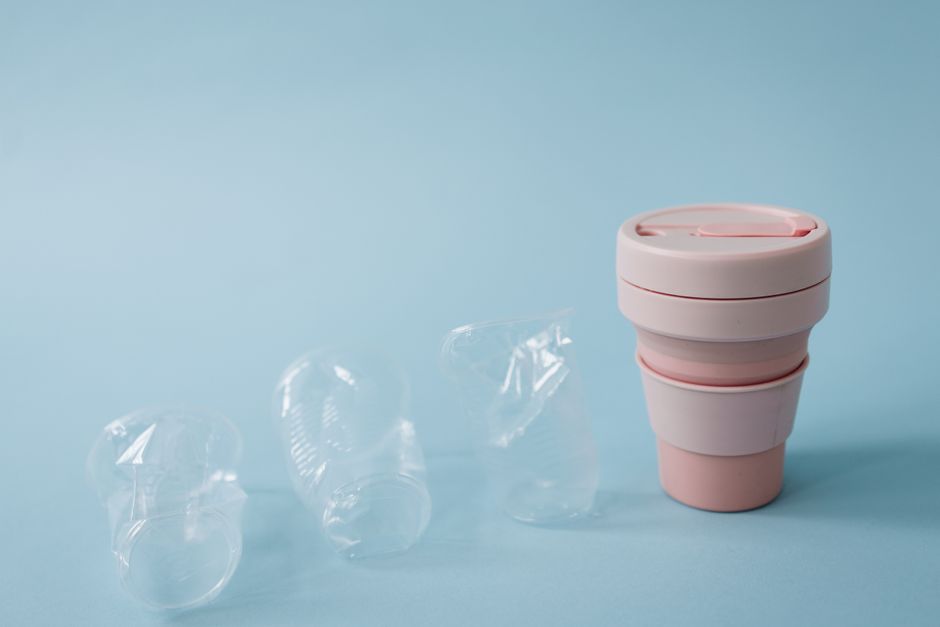
The best alternative to plastic depends on the product and local waste system. Reuse is usually the strongest starting point when containers can be returned, washed, and used enough times. For single-use items, choose a material with a proven local collection route: paper or cardboard where recycling works, glass or aluminium where recovery is reliable, and certified compostable bioplastic only where industrial composting accepts it.
What is the best substitute for plastic?
The best substitute for plastic is a reuse system when the product can be returned, cleaned, and used repeatedly.
That answer is less simple for single-use packaging. The United Nations Environment Programme recommends life-cycle assessment and systems thinking because replacing one material can shift environmental burdens from production to transport, washing, collection, recycling, or disposal. Its guidance places waste prevention, redesign, and reuse before a switch from one single-use material to another.
The material label does not settle the question. A container has an environmental profile shaped by how it is made, how far it travels, how often it is used, and what happens after disposal. UNEP describes this as avoiding “regrettable substitutions.”
A useful comparison therefore begins with the whole product system:
| Option | Strongest fit | Condition that decides the result | End-of-life check |
|---|---|---|---|
| Reusable packaging | Food service, beverage containers, delivery systems | Enough uses, efficient returns, and suitable washing | Keep it in use; recycle it when its service life ends |
| Paper or cardboard | Boxes, cartons, and some takeaway formats | Local fibre collection and a design that avoids difficult combinations | Use the local paper-recycling route |
| Glass | Beverage and food containers | Return or collection systems that account for the full product journey | Use the local glass-recycling or return system |
| Aluminium | Products suited to a metal collection system | Local recovery capacity and a design that stays easy to sort | Use the accepted metal-recycling route |
| Bioplastic | Specific products with a verified composting route | Correct certification and an industrial facility that accepts the item | Industrial composting, not ordinary plastic recycling |
This table is a decision framework, not a universal ranking. The European Commission Joint Research Centre studied cups, trays, beverage containers, and glass bottles with Environmental Footprint life-cycle models. Its 2024 results varied by product and impact category. A single-use takeaway carton had a lower climate-change impact than its multiple-use counterpart in one benchmark scenario, while multiple-use packaging performed better in many glass-bottle and dine-in scenarios.
The lesson is direct: “reusable” describes a system, not a guaranteed result. The same is true of glass, paper, aluminium, and bioplastic.
What can we use instead of plastic packaging?
We can use reusable containers, paper or cardboard, glass, aluminium, or certified compostable bioplastic, but the right choice follows the local collection route.
For food packaging, begin by asking whether the packaging can be removed or replaced with a returnable container. If not, choose a single material where possible. A paper carton that enters a functioning paper-recycling system has a clearer path than a package made from layers that require specialist separation. The supplied evidence does not establish a universal carbon ranking for glass, aluminium, or paper, so claims about one always being greener overstate the research.
For beverage containers, a return system changes the calculation. The JRC found that reuse outcomes depend on the number of reuses, return behavior, washing operations, and the life-cycle data used for cartonboard. A container that is returned once and discarded is a different system from one that circulates many times.
For takeaway items, the strongest evidence favors measuring actual use. A 2024 study in the Journal of Cleaner Production compared single-use and reusable containers while counting production, transport, washing, and end-of-life. In its centralized collection, washing, and recycling scenario, the single-use container produced 0.020 kilograms of carbon-dioxide equivalent per use. The reusable container produced 0.015 kilograms at 10 uses and 0.007 kilograms at 30 or 100 uses. The reusable system reached a climate benefit after a minimum of six uses in that scenario.
Small businesses can apply the finding without calculating a full life-cycle assessment. Map the route before ordering packaging:
- Identify whether the item can be eliminated, reduced, or made reusable.
- Ask the waste hauler which materials are accepted, not which symbols appear on the package.
- Choose one main material and avoid unnecessary layers, coatings, and mixed components.
- Match the disposal instruction to the actual local facility.
- Track whether reusable items return often enough to justify washing and transport.
This evidence-first approach resembles the method explained in What Can an Affordable Whole-Genome DNA Test Tell Me?: separate a label from what the underlying evidence can support.
What material will replace plastic at a large scale?
No single material will replace plastic at a large scale; large-scale change will combine prevention, reuse, redesign, and several material systems.
Plastic serves many products with different performance needs. A beverage container, shipping box, takeaway tray, and shopping bag do not share the same use cycle or disposal route. Replacing all of them with one substitute would repeat the problem UNEP identifies: a material change without a system change can move impacts rather than reduce them.
Scale also depends on collection. Eurostat reported 81.5 million tonnes of packaging waste in the European Union in 2024, equal to 181.0 kilograms per inhabitant, with 67.0% recycled. Paper and cardboard accounted for 33.2 million tonnes, plastic for 16.2 million tonnes, glass for 14.7 million tonnes, and metal for 3.9 million tonnes. These figures describe different waste streams, not proof that one material is environmentally superior.
The European Union’s 2030 minimum recycling targets also differ by material: 85% for paper and cardboard, 75% for glass, 55% for plastics, and 60% for aluminium. The variation shows why infrastructure matters. A substitute works at scale only when production, collection, sorting, processing, and markets develop together.
Reuse can reduce the need for replacement material altogether. The Journal of Cleaner Production study found that return-system efficiency influenced outcomes, and the JRC found that return behavior and washing changed the comparison. A large-scale alternative is therefore a service arrangement as much as a substance.
Is glass or paper better than plastic for the environment?
Glass or paper is better than plastic only in a defined product system with a suitable production and disposal route.
Paper and cardboard have a substantial packaging-waste stream and an established recycling target in the EU data, but that does not make every paper package preferable. Design, contamination, coatings, transport, and local acceptance still determine what happens after use. Glass can fit a return or recycling system, yet the JRC evidence shows that the result changes across product types, use cycles, and impact categories.
Weight alone does not answer the question. A heavier container can perform differently when it is reused many times, while a lighter single-use package can perform differently when it requires new material for every use. Transport distance, washing, return rates, and end-of-life must sit in the same calculation.
Bioplastics require the clearest disposal warning. According to the U.S. Environmental Protection Agency, biobased plastic is not automatically biodegradable or compostable. Commercially compostable plastic is designed to decompose under industrial composting conditions, generally within six months, and ASTM D6400 and D6868 provide relevant specifications. There are no ASTM standard test methods for confirming that a plastic will compost in a home environment.
That means a compostable package belongs in an accepted industrial composting program. It does not belong in a standard plastic recycling bin, where the EPA says it can contaminate and disrupt the recycling stream. If no suitable facility accepts it, the label does not create an end-of-life route.
The practical rule is simple. Choose the package whose full journey your community can support.
Frequently Asked Questions
Are bioplastics actually biodegradable or compostable?
Some are, but a plant-based or biobased label does not prove either claim. Commercially compostable plastic must break down under industrial composting conditions, generally within six months, and should be accepted by the local facility.
Which plastic alternative has the lowest carbon footprint?
There is no single winner across all products and locations. A 2024 life-cycle study found reusable takeaway containers produced lower emissions after enough uses in its modeled systems, while the JRC found results changed by product, reuse count, washing, return behavior, and impact category.
Is reusable packaging better than single-use plastic?
Reusable packaging performs better when it is returned, washed, and used enough times. One 2024 assessment found a climate benefit after a minimum of six uses in its recycling scenario, but transport, washing, and end-of-life still affect the result.
What should small businesses use instead of plastic packaging?
Start with prevention and reuse, then choose a simple material that the local waste system accepts. Paper or cardboard can fit a working paper-recycling route, while reusable containers fit a reliable return-and-wash system; certified compostable plastic fits only an accepted industrial composting route.
Sources
Read next

How Does the Santa Barbara Breakwater Affect Downcoast Beaches?
How Santa Barbara’s breakwater traps sand, prompts harbor dredging, and reduces the supply reaching beaches downcoast.
Why Won't My LED Light Up When I Connect It to a Battery?
Diagnose a dark LED by checking polarity, resistor value, battery voltage, and breadboard connections with a simple step-by-step process.

What Can an Affordable Whole-Genome DNA Test Tell Me?
Learn what consumer whole-genome sequencing reveals, where its health results fall short, and how to check confirmation and DNA privacy policies.