Introduction: The Power of Nature-Inspired Design for Wellness
Modern research confirms that our surroundings profoundly impact our well-being. Nature-inspired design-also known as biophilic design-leverages elements from the natural world to foster environments that support both physical and mental health. By intentionally blending natural materials, patterns, and light into our daily spaces, we can transform homes, offices, and community areas into restorative environments that promote wellness, productivity, and happiness
[1]
[2]
[3]
.
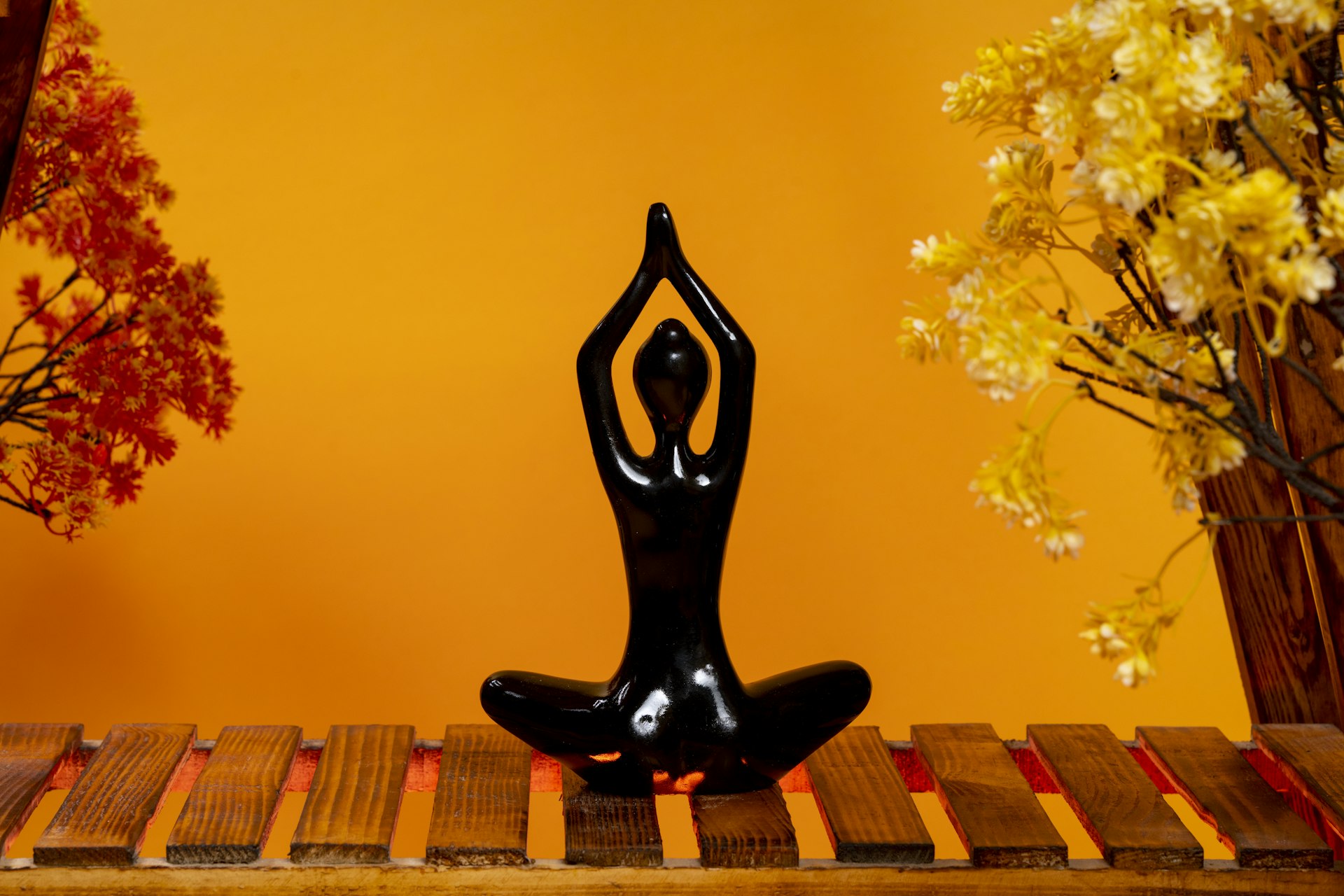
Photo by feey on Unsplash
Key Benefits of Nature-Inspired Design
Implementing nature-inspired design offers a range of measurable benefits:
Reduced Stress:
Exposure to natural elements such as plants, sunlight, and water features can lower cortisol levels and help restore mental focus. This is supported by the Attention Restoration Theory, which demonstrates that natural environments promote a gentle, effortless attention and speed up stress recovery
[1]
[3]
.
Enhanced Mood and Creativity:
Natural light and greenery are linked to the release of endorphins, improving mood and even sparking creative thinking
[3]
.
Improved Physical Health:
Better air quality, increased natural light, and the use of non-toxic, natural materials contribute to healthier indoor environments and can reduce respiratory issues
[1]
.
Increased Productivity:
Studies show a 15% rise in productivity in offices that incorporate biophilic design principles
[3]
.
Core Principles of Nature-Inspired Design
Nature-inspired design is guided by several foundational principles that can be applied across settings:
Maximize Natural Light:
Position workspaces and living areas near windows, use light-reflective surfaces, and minimize barriers to daylight. If full daylight isn’t possible, consider full-spectrum artificial lighting that mimics sunlight.
Incorporate Greenery and Living Elements:
Add indoor plants, vertical gardens, or preserved moss walls. These not only improve air quality but also provide consistent psychological benefits without the maintenance needs of living systems
[3]
.
Use Natural Materials and Textures:
Choose wood, bamboo, stone, and other organic materials for flooring, furniture, and accents. These elements evoke nature’s calming effect and reduce exposure to synthetic chemicals
[1]
.
Blur the Line Between Indoors and Outdoors:
Design spaces with large windows, glass doors, or indoor courtyards to create a seamless connection to the outdoor world. This approach can foster a sense of openness and tranquility
[2]
.
Integrate Nature’s Patterns and Colors:
Use earth tones and fractal patterns in decor and surfaces. These elements are linked to emotional well-being and can help stimulate feelings of calm and contentment
[3]
.
Practical Steps for Implementing Nature-Inspired Design
Adopting these principles can seem overwhelming, but by following a systematic approach, it is possible to create wellness-focused environments in any setting. Here’s how you can get started:
Assess Your Space:
Identify areas where natural light is limited or where artificial materials dominate. Note opportunities for improvement, such as unused corners for plants or potential spots for natural materials.
Start Small:
Begin with easy-to-implement changes, like introducing potted plants, using natural fiber rugs, or rearranging furniture to face windows.
Upgrade Lighting:
Replace harsh fluorescent lights with bulbs that mimic natural daylight. Position mirrors to reflect window light deeper into rooms.
Add Natural Art and Decor:
Choose artwork depicting natural scenes, use wooden frames, or display stones and shells collected from outdoor experiences.
Ventilation and Air Quality:
Enhance airflow by opening windows regularly or installing air purifiers. Opt for low-VOC (volatile organic compound) paints and finishes to minimize indoor air pollution
[1]
.
Create Multi-Sensory Experiences:
Incorporate sounds (like water features or bird song recordings), natural scents (from essential oils or fresh flowers), and tactile experiences (such as textured stone or wood surfaces).
Examples and Real-World Applications
Nature-inspired design is being adopted in diverse environments. In healthcare settings, biophilic design has been shown to accelerate patient recovery times through access to natural views and healing gardens. In corporate offices, exposure to nature can significantly improve productivity and job satisfaction. For residential settings, even small interventions-like a moss wall or a cluster of houseplants-can create a feeling of retreat and relaxation
[3]
.
For businesses, investing in biophilic interiors may yield measurable returns in employee wellness and retention. Homeowners can boost well-being by embracing natural elements in daily living spaces. Community planners have also found that green public spaces foster stronger social bonds and healthier neighborhoods
[2]
.
Addressing Challenges and Exploring Alternatives
Challenges may arise, such as limited access to sunlight, budget constraints, or maintaining living plants. In such cases, alternatives include:
Using preserved greenery for low-maintenance natural visuals
[3]
.
Employing nature-themed art and virtual windows in windowless rooms.
Prioritizing high-impact interventions, like maximizing any available daylight or adding a single large plant.
Seeking guidance from design professionals specializing in biophilic or sustainable design for complex projects.
If you are interested in professional support, you can contact certified interior designers or architects specializing in biophilic design by searching for them through established industry organizations or your local design association.
Accessing Nature-Inspired Design Resources and Services
To access services, products, or further guidance for implementing nature-inspired design, consider the following steps:
Search for “biophilic design consultants” or “nature-inspired interior designers” in your geographic area.
Consult local garden centers or home improvement stores for natural materials and plants.
Review evidence-based recommendations and case studies from reputable organizations, such as the International WELL Building Institute and the Penn Center for Neuroaesthetics. For more on the science behind neuroaesthetics, visit the official website of the
Penn Center for Neuroaesthetics
[3]
.
Contact your local extension office or community garden programs for advice on bringing more greenery into your environment.
If you are seeking specialized products such as preserved moss walls or biophilic decor, use search terms like “preserved garden walls supplier” or “natural building materials provider” along with your location to find reputable vendors.
Conclusion: Creating Wellness Through Thoughtful Design
Embracing nature-inspired design is a proven, accessible way to enhance wellness for individuals, businesses, and communities. Whether you start with a few plants or embark on a full-scale renovation, integrating natural elements into your spaces can yield lasting benefits for physical health, mental well-being, and overall quality of life. For further support, consult with biophilic design professionals, explore current research, and connect with organizations dedicated to healthy, human-centered environments.