site-logo Site Logo

Unlocking the Power of Functional Movement: Transform Your Everyday Life with Practical Fitness

Article avatar image

Photo by Lukáš Lehotský on Unsplash

Introduction: Why Functional Movement Matters

Every action you take-reaching for a shelf, carrying groceries, rising from a chair-relies on a complex interplay of muscles and joints. Functional movement is about training your body to perform these everyday actions efficiently and safely. Unlike traditional training that isolates muscles, functional movement focuses on patterns that mirror real-life activities, making daily living easier, safer, and more enjoyable [1] .

Understanding Functional Movement: What Sets It Apart?

Functional movement involves exercises that teach multiple muscle groups to work together. Examples include squats, lunges, pushes, pulls, and rotational activities. These movements are not just for athletes-they help everyone, regardless of age or fitness level, build practical strength and coordination for daily life [2] .

The Key Benefits of Functional Movement in Daily Life

1. Real-Life Carryover: Make Everyday Tasks Easier

Functional training prepares your body for common movements like sitting, standing, lifting, reaching, or bending. By mimicking daily tasks, it makes simple activities-such as getting out of a car or lifting a child-feel easier and less taxing . Many people notice less back, neck, and joint pain when they regularly incorporate functional exercises into their routine [3] .

2. Improved Flexibility and Mobility

Stiffness and limited range of motion often lead to aches, pains, and increased risk of injury. Functional movement uses natural, multi-joint exercises that loosen tight muscles and enhance flexibility , making it simpler to bend, reach, or get up from the floor-especially as you age [1] .

3. Enhanced Balance, Stability, and Coordination

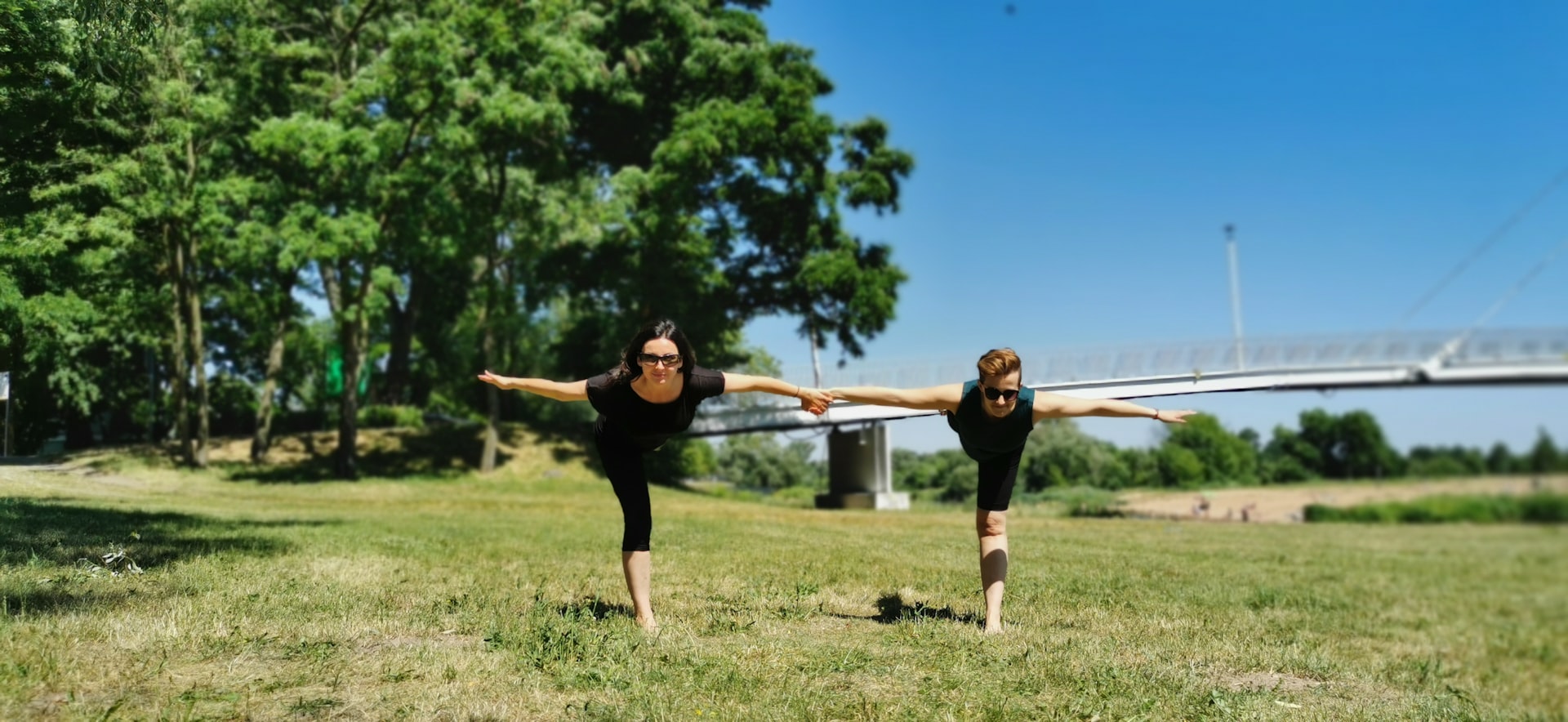
Everyday life requires more than just strength. Activities like walking on uneven surfaces or carrying objects while moving demand balance and coordination. Functional movement strengthens your core and stabilizer muscles , reducing falls and helping you avoid awkward stumbles [5] .

Article related image

Photo by Gordon Gerard McLean on Unsplash

4. Reduced Risk of Injury

Many injuries happen when your body isn’t ready for an unexpected movement. Training with functional exercises improves movement habits and resilience , lowering your risk of straining muscles or joints both during exercise and in daily activities [4] .

5. Increased Overall Strength and Endurance

Functional exercises engage several muscle groups at once, building total-body strength that supports everything from lifting a suitcase to climbing stairs. Over time, people also experience greater endurance , making daily chores less tiring [3] .

6. Maintaining Independence and Quality of Life

For older adults, maintaining the ability to move freely is essential for independence. Functional movement helps reduce the risk of falls, eases joint pain, and supports self-sufficiency , keeping you active and confident as you age [5] .

How to Incorporate Functional Movement into Your Routine

Starting a functional movement program does not require expensive equipment or a gym membership. Here’s a step-by-step guide to begin:

  1. Consult a Health Professional: Before starting any new exercise program, discuss your goals and health status with a qualified medical or fitness professional. They can help tailor exercises to your needs and prevent injury.
  2. Begin with the Basics: Practice foundational movements such as squats, lunges, planks, and bridges. These mimic many real-life actions like sitting, standing, or reaching.
  3. Focus on Form: Prioritize correct technique over speed or intensity. If possible, work with a certified trainer who understands functional fitness principles.
  4. Progress Gradually: Start with bodyweight exercises, then add resistance (dumbbells, resistance bands) as you become stronger.
  5. Mix It Up: Integrate balance, flexibility, and coordination drills-such as standing on one leg, step-ups, or rotational movements-to challenge your whole body.
  6. Stay Consistent: Aim for at least three sessions per week, combining strength, balance, and mobility exercises. Consistency is key to seeing improvements in daily life [4] .

Practical Examples of Functional Movements

Here are some exercises you can do at home to build functional strength and mobility:

  • Squats: Mimic sitting and standing-strengthens legs and hips.
  • Lunges: Replicate walking, climbing stairs, and stepping movements.
  • Push-Ups: Build upper-body and core strength-useful for pushing doors or getting up from the floor.
  • Rows: Improve pulling strength-helpful for lifting and carrying objects.
  • Glute Bridges: Strengthen your hips and lower back-supporting posture and movement.
  • Planks: Enhance core stability-key for balance and safe movement.

If you’re new to these exercises, start with bodyweight and gradually add resistance as your strength improves. Always focus on proper alignment to reduce injury risk.

Overcoming Common Challenges

Barriers such as lack of time, motivation, or knowledge can hinder starting a functional movement routine. To overcome these:

  • Time Constraints: Short sessions (10-20 minutes) several times a week can be effective. Integrate exercises into daily routines, such as squats while watching TV or calf raises while brushing your teeth.
  • Motivation: Set small, achievable goals. Track your progress by noting improvements in daily tasks, such as lifting groceries with less effort or moving with less pain.
  • Knowledge: Many community centers, gyms, and online platforms offer functional fitness classes. If you’re unsure where to begin, search for “functional movement classes near me” or consult fitness professionals in your area.
  • Physical Limitations: Functional exercises can be adapted for all mobility levels. Work with a qualified professional to modify movements to your needs. Chair squats, wall push-ups, or resistance bands can provide safe options for those with limited mobility.

Alternative Approaches and Additional Resources

Functional movement can be integrated into a range of fitness programs, including yoga, Pilates, and tai chi. Each offers unique benefits for balance, flexibility, and strength. It’s possible to combine these approaches to create a well-rounded routine. For a personalized plan, consider consulting a licensed physical therapist, athletic trainer, or certified personal trainer with experience in functional fitness.

If you are looking for local services or classes, you can:

  • Contact your local gym or community center and inquire about “functional fitness” or “movement-based” classes.
  • Search for “functional movement” or “functional training” along with your city or zip code on reputable fitness directories and review platforms.
  • Consult your primary care provider for recommendations, especially if you have chronic pain or mobility concerns.

Key Takeaways

Functional movement is a practical, sustainable approach to fitness that delivers real-world benefits. It strengthens your body for daily activities, reduces injury risk, improves balance and flexibility, and supports long-term independence. By taking small steps to incorporate these principles, you can enjoy a more active, confident, and pain-free life.

References

Building Robust Cybersecurity Awareness in Education: Strategies, Programs, and Practical Guidance
Unlocking Wellness Through Nature-Inspired Design: Practical Strategies for Healthier Spaces
Holistic Eye Wellness Practices: Nourishing Your Vision Naturally
Unlock Better Mental Wellness Through a Digital Detox: Practical Steps, Benefits, and Real-World Strategies
Natural Solutions for Supporting Hormonal Balance: Evidence-Based Approaches and Guidance
Transform Your Balance and Mobility: The Proven Advantages of Tai Chi
Unlocking Student Success: Implementing Financial Literacy Programs in Schools
Unlocking the Digital Entrepreneurship Lifestyle: Freedom, Flexibility, and Global Opportunity
Seasonal Lifestyle Adjustments: Practical Strategies for Year-Round Well-Being
Holistic Healing Lifestyle Practices: A Comprehensive Guide to Mind-Body Wellness
Building Sustainable Self-Care Lifestyle Routines: Your Guide to Everyday Wellbeing
Transform Your City Living: Proven Urban Gardening Lifestyle Practices for Health, Sustainability, and Joy