Aging is inevitable, but how we age is increasingly within our control. Decades of research now show that
regular physical activity
is one of the most effective ways to maintain health, independence, and quality of life as we grow older. From cellular changes to daily function, exercise offers tangible benefits that help older adults not just add years to life, but life to years
[2]
.
The Science: How Physical Activity Impacts the Aging Process
As we age, our bodies naturally undergo changes-muscle mass and bone density decline, metabolism slows, and the risk of chronic conditions rises. However,
consistent physical activity
can dramatically slow, and in some ways reverse, several aspects of the aging process
[1]
.
Research has shown that regular exercise can:
Preserve
mitochondrial function
and muscle health, helping older adults maintain strength and energy
[1]
.
Bolster the
immune system
-active older adults may have immune responses similar to much younger individuals, reducing vulnerability to infections
[2]
.
Slow the
biological clock
by preserving telomere length (protective caps on chromosomes), with highly active adults showing a biological age advantage of up to nine years
[2]
.
Reduce accumulation of
senescent cells
, which are linked to age-related disorders, according to Mayo Clinic research
[5]
.
Physical activity also influences gene expression, potentially reprogramming muscle fibers to a more youthful state through epigenetic mechanisms
[1]
.
Key Benefits of Physical Activity for Older Adults
The benefits of exercise span every system in the body. According to the National Institute on Aging, even small increases in daily movement can lead to significant improvements
[3]
:
Improved cardiovascular health
: Regular aerobic activity reduces the risk of heart disease and stroke.
Better blood sugar control
: Exercise helps prevent or manage type 2 diabetes.
Enhanced bone and muscle strength
: Resistance and weight-bearing activities combat osteoporosis and sarcopenia (age-related muscle loss).
Reduced risk of some cancers
: Active lifestyles are linked to lower rates of certain cancers
[3]
.
Mental sharpness and mood
: Physical activity may slow brain aging by up to 10 years, preserving memory and reducing the risk of dementia
[2]
.
Better sleep, lower anxiety, and improved mood
: Immediate benefits often include better sleep quality and less stress.
Types of Exercise: What Works Best for Aging Well?
Experts emphasize that a
varied exercise routine
delivers the greatest impact. The most beneficial activities for older adults typically include:
Aerobic Exercise
: Walking, cycling, swimming, and dancing improve heart health and endurance.
Strength Training
: Lifting weights, resistance bands, or bodyweight exercises help preserve muscle and bone mass
[4]
.
Balance and Flexibility Exercises
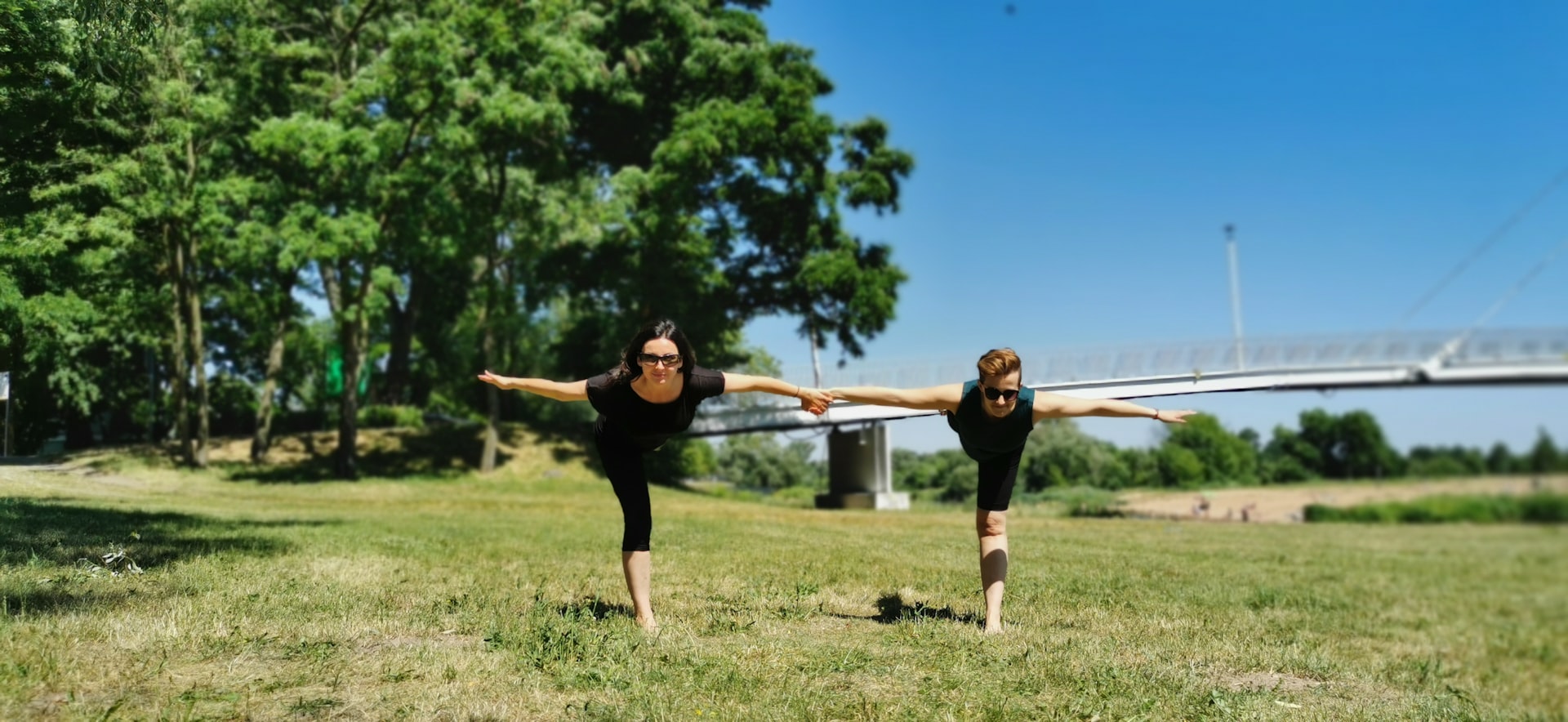
: Tai Chi, yoga, and balance drills reduce the risk of falls and improve coordination
[4]
.
Functional Activities
: Gardening, household chores, and recreational sports count toward activity goals and help maintain independence.
The National Institute on Aging recommends at least 150 minutes of moderate-intensity aerobic activity and two days of muscle-strengthening activities per week for older adults
[3]
.
Real-World Examples: Successful Aging Through Activity
Case studies and community programs illustrate the transformative impact of physical activity:
In one UK study, older adults who regularly cycled had immune systems comparable to people decades younger, showing that consistent activity preserves not just physical, but also immune health
[2]
. Many American seniors participate in group fitness classes like SilverSneakers or local walking groups, finding both social connection and improved well-being.
The Mayo Clinic highlights individuals who, by integrating simple physical activity-such as brisk walking or gardening-into their routines, experience fewer age-related illnesses and maintain independence longer
[5]
.
For older adults or caregivers looking to get started, consider the following steps:
Consult Your Healthcare Provider:
Before starting any new exercise routine, discuss your plans with a doctor, especially if you have existing health conditions. Providers can recommend safe activity levels and adaptations.
Set Realistic Goals:
Begin with small, achievable targets-such as a daily 10-minute walk-and gradually increase duration and intensity.
Explore Community Resources:
Many city recreation departments, YMCAs, and senior centers offer age-appropriate exercise classes. You can search for local programs using terms like “senior fitness classes near me” or check with your area agency on aging.
Mix It Up:
Combine aerobic, strength, and balance activities. For example, alternate walking days with light resistance training and a weekly yoga or Tai Chi session.
Stay Social:
Invite friends or family to join, or participate in group activities. Social engagement boosts motivation and enjoyment.
Track Progress:
Keep a journal or use a simple pedometer or activity tracker to monitor your activity and celebrate achievements.
Adapt and Overcome Challenges:
If mobility is limited, chair-based or water exercises can offer effective alternatives. Many online videos and community centers offer modified routines.
For more guidance, you can visit the National Institute on Aging’s official website and search for “exercise and physical activity for older adults.” The site provides free guides, video demonstrations, and safety tips
[3]
.
Overcoming Common Barriers and Staying Motivated
Older adults sometimes face obstacles such as chronic pain, limited mobility, or lack of confidence. Solutions include:
Start Slowly
: Even modest increases in activity yield benefits. Chair exercises or short walks are effective starting points.
Seek Professional Support
: Physical therapists and certified trainers specializing in older adults can design personalized, safe routines.
Use Technology
: Many fitness trackers and smartphone apps cater to seniors and help set reminders or track progress.
Prioritize Enjoyment
: Choose activities you find fun and rewarding to encourage consistency.
Remember that setbacks are normal. If you miss a session, simply resume as soon as possible. Progress, not perfection, is the key to lasting benefits.
Alternative Approaches and Additional Resources
For those unable to participate in traditional exercises, alternatives include:
Gentle stretching routines or yoga for flexibility and stress relief.
Water aerobics or swimming, which reduce joint stress.
Participation in adaptive sports or recreational activities suited for limited mobility.
If you need tailored advice, ask your primary care provider for a referral to a geriatric exercise specialist or physical therapist. Local councils on aging and nonprofit organizations like the National Council on Aging offer free resources and program directories. You may also find support through virtual exercise classes designed for older adults.
Photo by Centre for Ageing Better on Unsplash
Key Takeaways for Aging Well Through Physical Activity
Regular physical activity is one of the most effective ways to promote healthy aging. The benefits extend from cellular health to mental sharpness, fall prevention, and beyond. There is no single “best” way to stay active-what matters most is finding enjoyable, sustainable activities and making movement a lifelong habit.
If you’re ready to take the next step, consult your healthcare provider, explore community resources, and make physical activity a rewarding part of your daily routine.