
Education
Building Robust Cybersecurity Awareness in Education: Strategies, Programs, and Practical Guidance

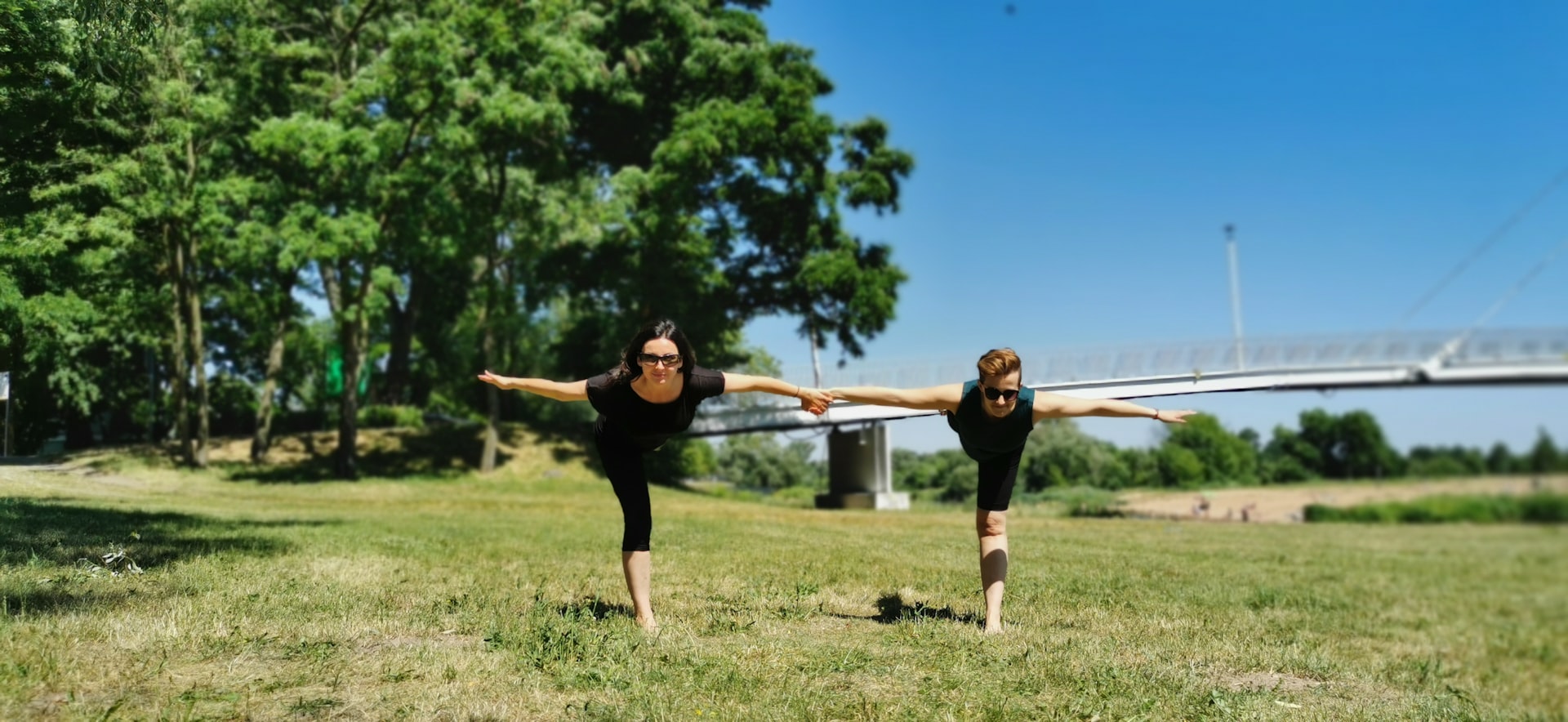
Building a strong core is essential for overall health, posture, and daily functional movement. Pilates is a low-impact exercise method that emphasizes controlled movements and deep muscle activation to support your body’s structure. At-home Pilates routines offer a convenient and effective pathway to strengthening your core without the need for specialized equipment or gym memberships [5] . This guide delivers step-by-step instructions, practical applications, and expert tips to help you implement Pilates for core strength in your daily life.
The core encompasses more than just abdominal muscles; it includes the back, hips, and pelvic floor. A strong core improves stability, balance, and posture, reducing the risk of injury and enhancing athletic performance [5] . Pilates, developed by Joseph Pilates, targets both superficial and deep stabilizing muscles. Practicing Pilates at home can relieve low back pain, improve balance, and support mental well-being [5] .
Effective at-home Pilates routines focus on a range of core-activating movements. Below are detailed instructions for foundational exercises, supported by expert recommendations and real-world case studies:
Purpose: Activates the entire core and improves breath control.
How to do it:
Tip: Keep tension out of your neck and shoulders by engaging your core throughout [1] .
Purpose: Strengthens lower abs and challenges pelvic stability.
How to do it:
Tip: Focus on keeping your pelvis and lower back stable by activating your core muscles [1] .
Purpose: Challenges core stability and hip mobility.
How to do it:
Tip: Move slowly to maintain control and prevent your pelvis from rocking [1] .
Purpose: Strengthens the entire core, shoulders, and glutes.
How to do it:
Tip: Progress by adding side planks or plank leg lifts for increased challenge [1] .
Consistency is key to seeing results from Pilates. Follow these steps to structure your own core-focused workout at home:
Many individuals have successfully built core strength through consistent at-home Pilates routines. For instance, following a 14-day challenge focused on deep core activation can yield significant improvements in muscle tone and stability [3] . Online instructors often guide participants through progressive routines that enhance strength and control over time. Video workouts, such as those by certified Pilates teachers, offer accessible, structured guidance for all fitness levels [2] .
Challenge: Difficulty maintaining proper form without supervision.
Solution: Use mirrors, record yourself, or join live virtual classes with certified instructors. Focus on slow, controlled movements and prioritize quality over quantity [4] .

Challenge: Limited motivation or consistency.
Solution: Set realistic goals, schedule workouts, and track progress. Consider joining online communities or following video series for structure and encouragement [3] .
If traditional Pilates routines feel too challenging, adapt movements by:
Additionally, some may benefit from integrating Pilates with other core-focused disciplines such as yoga or barre for variety and balanced training [5] .
To deepen your understanding or find guided routines:
At-home Pilates is an evidence-based, accessible way to build core strength, improve posture, and enhance overall well-being. By following detailed instructions, adapting movements to your level, and accessing reputable resources, you can achieve lasting results. Remember to prioritize consistency, listen to your body, and seek professional guidance when necessary.
[1] Peloton Blog (2024). Want a Stronger Core? Try These 6 Pilates Ab Exercises. [2] YouTube: Move With Nicole (2023). 25 MIN PILATES CORE & ABS WORKOUT. [3] YouTube: Pilates with Hannah (2023). PILATES ABS in 14 DAYS 🔥 Deep Core Activation. [4] YouTube: Pilates Practice (2025). 25 MIN PILATES CORE & ABS WORKOUT. [5] Healthline (2021). 15 Pilates Exercises to Strengthen Your Core.
MORE FROM getscholarships.de