
Education
Building Robust Cybersecurity Awareness in Education: Strategies, Programs, and Practical Guidance

Forest bathing, also known as
shinrin-yoku
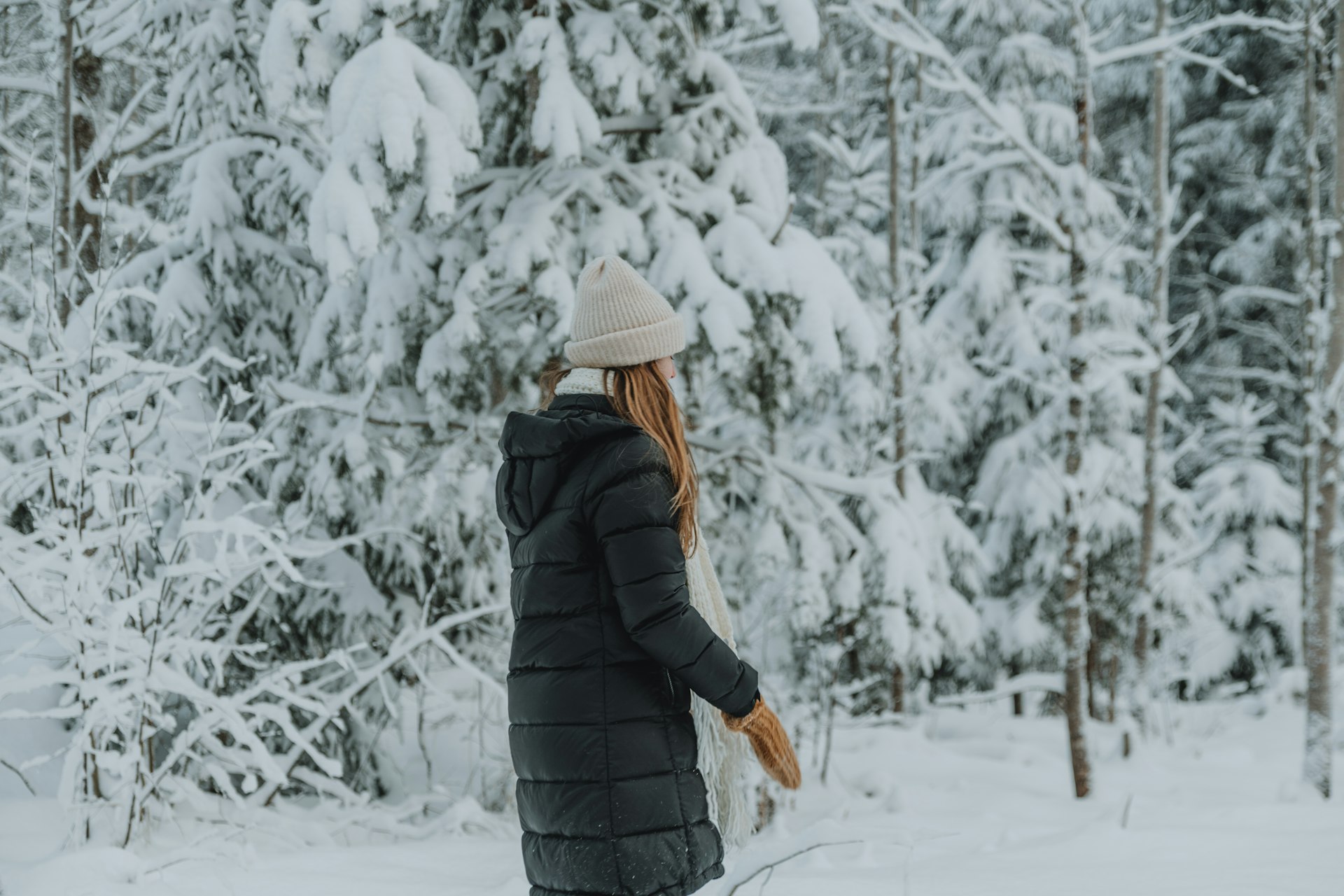
, is a practice that invites individuals to immerse themselves in natural environments for the purpose of enhancing physical, mental, and emotional wellbeing. Unlike traditional hiking or outdoor exercise, forest bathing emphasizes slow, mindful movement and sensory awareness, encouraging participants to connect deeply with the sights, sounds, and scents of nature. Nature immersion trips build upon this foundation, offering extended opportunities to engage with the natural world through guided or self-led experiences in forests, parks, or other green spaces. This article explores the science-backed benefits of forest bathing, provides practical guidance for accessing these experiences, and highlights real-world examples to inspire your own journey.
Numerous scientific studies attest to the profound impact of spending time in nature. Research indicates that forest bathing can:
These benefits are supported by a growing body of medical and psychological research, underscoring the value of making nature immersion a regular part of life [2] [5] .
There are two primary approaches to forest bathing: guided sessions and self-guided immersion.
Guided Forest Bathing: Certified guides lead small groups or individuals through a series of sensory invitations, encouraging participants to slow down, observe, and reflect. Guided experiences often incorporate group sharing, which can foster a sense of community and positive emotional change. These sessions typically last two to three hours and are available in many parks and natural reserves worldwide [2] .

Self-Guided Forest Bathing: Individuals can also experience forest bathing on their own by intentionally moving slowly through a natural setting, focusing on their senses, and leaving behind distractions. Self-guided experiences provide greater flexibility and an opportunity for personal reflection, making them well-suited for those who prefer solitude [2] .
Both forms offer substantial benefits. According to research, guided sessions may promote social bonds and emotional growth, while self-guided activities enhance introspection and self-awareness.
Organizing a nature immersion trip does not require specialized equipment or prior experience. Here are actionable steps to help you get started:
For those seeking extended immersion, consider overnight retreats or multi-day trips in natural settings. Wellness resorts and eco-lodges sometimes offer forest therapy as part of their programming. When booking, always check provider credentials and reviews for safety and quality assurance.
Case Study: Forest Bathing in Hawaii Hawaii’s lush landscapes are an ideal setting for forest bathing, with many wellness retreats and tour companies offering guided experiences. Participants have reported reductions in stress and improvements in mood after practicing mindful immersion in Hawaii’s unique forests [1] .
Alternative Approaches: If access to forests is limited, urban green spaces, botanical gardens, or even backyard gardens can provide many of the same benefits. Research suggests that time spent in any natural environment-whether a city park or a rural woodland-can be restorative [4] .
Adapting to Your Needs: Individuals with mobility challenges can adapt forest bathing by finding accessible nature trails or participating in seated outdoor meditation. Virtual nature immersion, using guided audio or video experiences, may also provide partial benefits when outdoor access is not possible.
Potential Challenges:
Solutions often involve creative adaptation-using available resources, planning visits during off-peak times, and exploring virtual alternatives when necessary.
If you are interested in joining a guided experience, begin by searching for “certified forest therapy guides” in your area or contacting local parks and recreation departments for recommendations. Many reputable organizations maintain directories of trained guides and upcoming walks. If you prefer self-guided practice, identify accessible green spaces and set aside time for regular visits. For more structured retreats, wellness resorts or eco-lodges may offer nature immersion packages-always verify credentials and reviews before booking.
If you have specific health conditions, consult with a healthcare provider before participating in any new wellness activity. While forest bathing is low-risk for most people, it should not replace medical care for serious mental or physical health concerns.
Forest bathing and nature immersion trips offer science-backed benefits for mind and body, including stress reduction, improved mood, enhanced immunity, and increased mindfulness. Whether guided or self-directed, these experiences are accessible to most people and can be adapted to suit individual needs and circumstances. To get started:
For further information, search for official guides through organizations like the Association of Nature and Forest Therapy Guides and Programs, or contact your local parks department. Nature immersion is a flexible, evidence-based practice that can be tailored to your lifestyle and location, making it an ideal approach for anyone seeking greater wellbeing.
MORE FROM getscholarships.de