
Education
Building Robust Cybersecurity Awareness in Education: Strategies, Programs, and Practical Guidance

Modern life often disrupts the body’s natural cycles, leading to sleep issues, low energy, and decreased resilience. Establishing healthy evening rituals is one of the most effective ways to support your circadian rhythm-the internal clock that regulates sleep, mood, metabolism, and overall health. By intentionally shaping your nightly routine, you can improve sleep quality, enhance daytime alertness, and support long-term well-being [5] .
The circadian rhythm is a roughly 24-hour cycle that governs the timing of sleep, hormone release, digestion, and body temperature. This internal clock is synchronized by environmental cues, most notably light and darkness. Disruptions-such as irregular bedtimes or excessive screen exposure-can lead to sleep problems, mood disturbances, and even increase the risk for chronic disease [3] .
Research from Harvard Medical School and recent peer-reviewed studies show that aligning your sleep and evening behaviors with your natural circadian rhythm supports memory, emotional regulation, immune function, and metabolic health [5] . Consistent evening practices are a cornerstone for both immediate and long-term health benefits.
One of the most powerful actions you can take is to maintain a regular sleep schedule. The body thrives on consistency; irregular bedtimes can disrupt hormone production and impair sleep quality. Experts recommend choosing a bedtime that allows for at least 7-8 hours of sleep and sticking to it-even on weekends. This regularity helps your body anticipate rest, making it easier to fall asleep and wake up refreshed [2] .
For implementation, determine your ideal wake-up time and count backward to set your bedtime. For example, if you need to get up by 6:30 a.m., aim to be in bed by 10:30 p.m. Set reminders in your phone or place visual cues in your environment. If your schedule varies due to shift work or family obligations, gradually adjust your bedtime in 15-minute increments over several days rather than making abrupt changes. Consistency is more important than perfection.
Some individuals may face challenges with consistency due to work or social obligations. In these situations, prioritize keeping your wake-up time steady, even on days you go to bed later than usual. This helps anchor your circadian rhythm and allows recovery on subsequent nights.
Light is the most influential external cue for circadian rhythm. Evening exposure to artificial light, especially blue light from screens and LED bulbs, suppresses melatonin-the hormone that signals your body to sleep [4] . To foster a healthy wind-down:
For those who must use screens late, consider wearing blue-light blocking glasses. Many electronic devices now have “night mode” settings that can be scheduled automatically. Developing a family or household policy of “screen-free hour” before bed can help everyone align with these recommendations.
It may be challenging to avoid screens entirely, especially with work or caregiving responsibilities. In such cases, prioritize at least 20-30 minutes of screen-free time before bed, and use dim lighting whenever possible.
Relaxation cues help the body transition from wakefulness to sleep readiness. Common approaches include:
Guided meditations are widely available through reputable wellness apps and organizations. For example, platforms like Insight Timer and Headspace provide free and subscription-based guided audio designed for evening relaxation. If you prefer not to use digital resources, simple breathing exercises-such as inhaling for 4 seconds, holding for 7, and exhaling for 8-can be done without any technology.
Some individuals find it helpful to combine activities, such as stretching while listening to soothing music. Experiment to find what best helps you unwind. If relaxation techniques are new to you, start with just five minutes and gradually increase.
The timing of your last meal can significantly impact your sleep and circadian rhythm. Eating large or heavy meals late at night can disrupt digestion and make it harder to fall asleep. Aim to finish dinner at least two to three hours before bedtime. Favor lighter, easily digestible foods in the evening, and avoid caffeine or alcohol close to bedtime [1] .
For practical application, prepare dinner earlier in the evening and limit snacking afterward. If you must eat later, opt for small portions of foods that support relaxation, such as a banana, yogurt, or a small handful of nuts.

Individuals who work late shifts or have social events may find it challenging to avoid late meals. In such cases, choose lighter options and give yourself at least 30-60 minutes to digest before going to bed whenever possible.
Stress and anxiety in the evening can trigger the body’s alertness mechanisms, making it difficult to fall or stay asleep. Develop a wind-down routine that includes stress-reducing activities, such as:
If you experience persistent stress or anxiety that interferes with sleep, consider reaching out to a mental health professional or exploring resources from reputable mental health organizations. You can search for licensed counselors through your insurance provider, local clinics, or established services such as the American Psychological Association’s “Find a Psychologist” tool.
For milder stress, experiment with different relaxation methods until you find the combination that works for you. Consistency and routine are key for stress management in the context of sleep.
Engaging in light physical activity, such as walking or gentle stretching, in the early evening can help signal to your body that it’s time to wind down. However, avoid vigorous exercise close to bedtime, as it may be stimulating and delay sleep onset [1] .
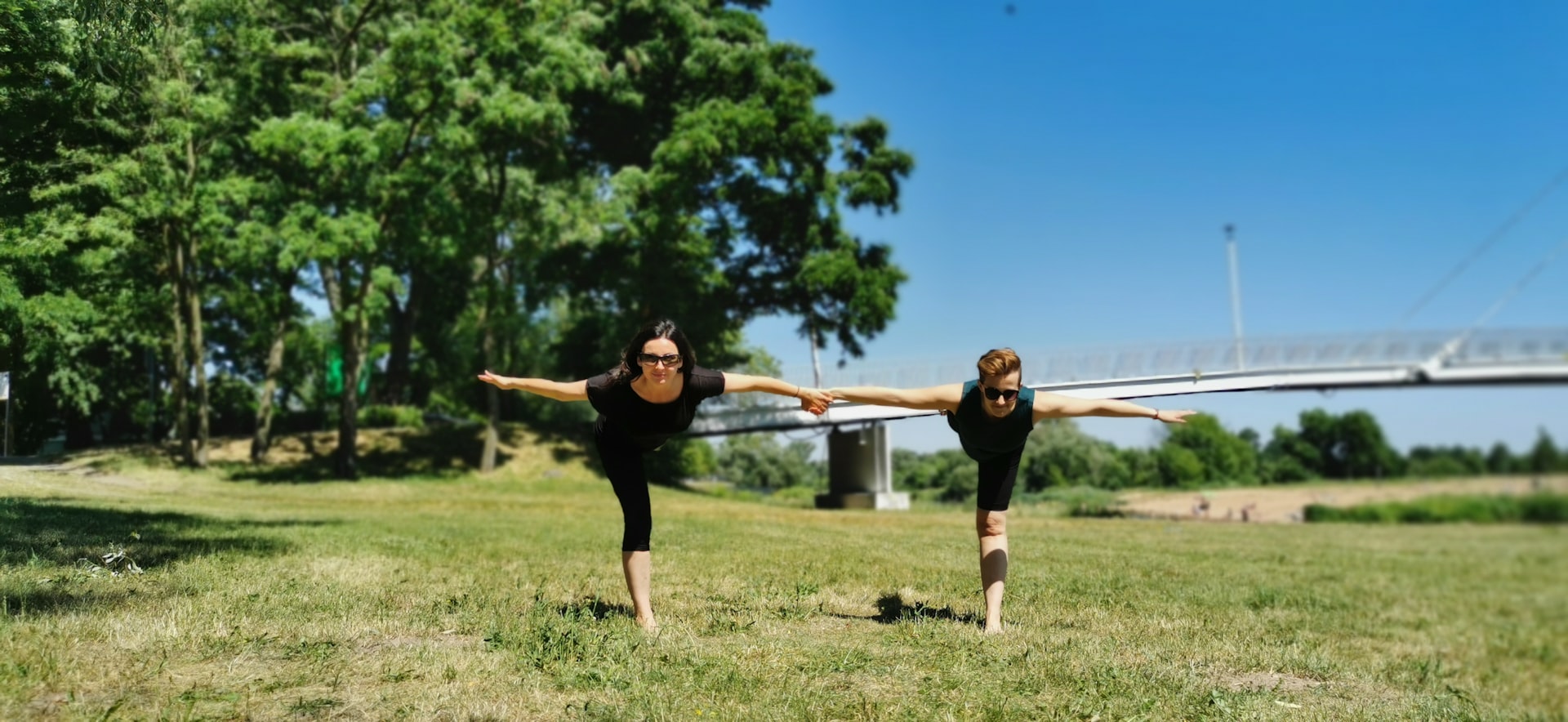
For implementation, plan your more intense workouts earlier in the day, and save low-impact movements for the evening. If you have limited time or space, even 10-15 minutes of slow stretching or a brief walk outdoors can be beneficial. Some people enjoy evening yoga routines, which can be found in books, DVDs, or free videos from established wellness organizations.
Barriers to evening movement often include fatigue or lack of motivation. To overcome this, set simple, achievable goals and remember that even brief activity is better than none.
The physical environment plays a crucial role in sleep quality and circadian health. Strategies include:
If you cannot fully control your environment-such as in shared living spaces-use solutions like white noise machines, sleep masks, or portable fans. Refrain from using your bed for work or screen time, as this helps your brain associate the space with rest.
For those interested in more guidance, you can find evidence-based tips from organizations such as the National Sleep Foundation and the Centers for Disease Control and Prevention. Search for “CDC sleep hygiene tips” or “National Sleep Foundation healthy sleep environment.”
Each person’s circadian rhythm and lifestyle needs are unique. While the above practices are broadly effective, personal experimentation is important. For example, some may benefit from herbal teas, aromatherapy, or specific mindfulness techniques. Others may need tailored strategies due to shift work, caregiving, or health conditions. If you have persistent sleep or circadian issues, consult with a sleep specialist or healthcare provider. You can locate board-certified sleep specialists through your hospital’s referral line, your primary care provider, or by searching the American Academy of Sleep Medicine’s provider directory.
Establishing healthy evening rituals to support your circadian rhythm involves:
Start by choosing one or two changes that are easiest to adopt, then build your routine over time for lasting benefits. If you need support or face persistent difficulties, seek guidance from healthcare professionals or trusted wellness organizations.
MORE FROM getscholarships.de