
Education
Building Robust Cybersecurity Awareness in Education: Strategies, Programs, and Practical Guidance

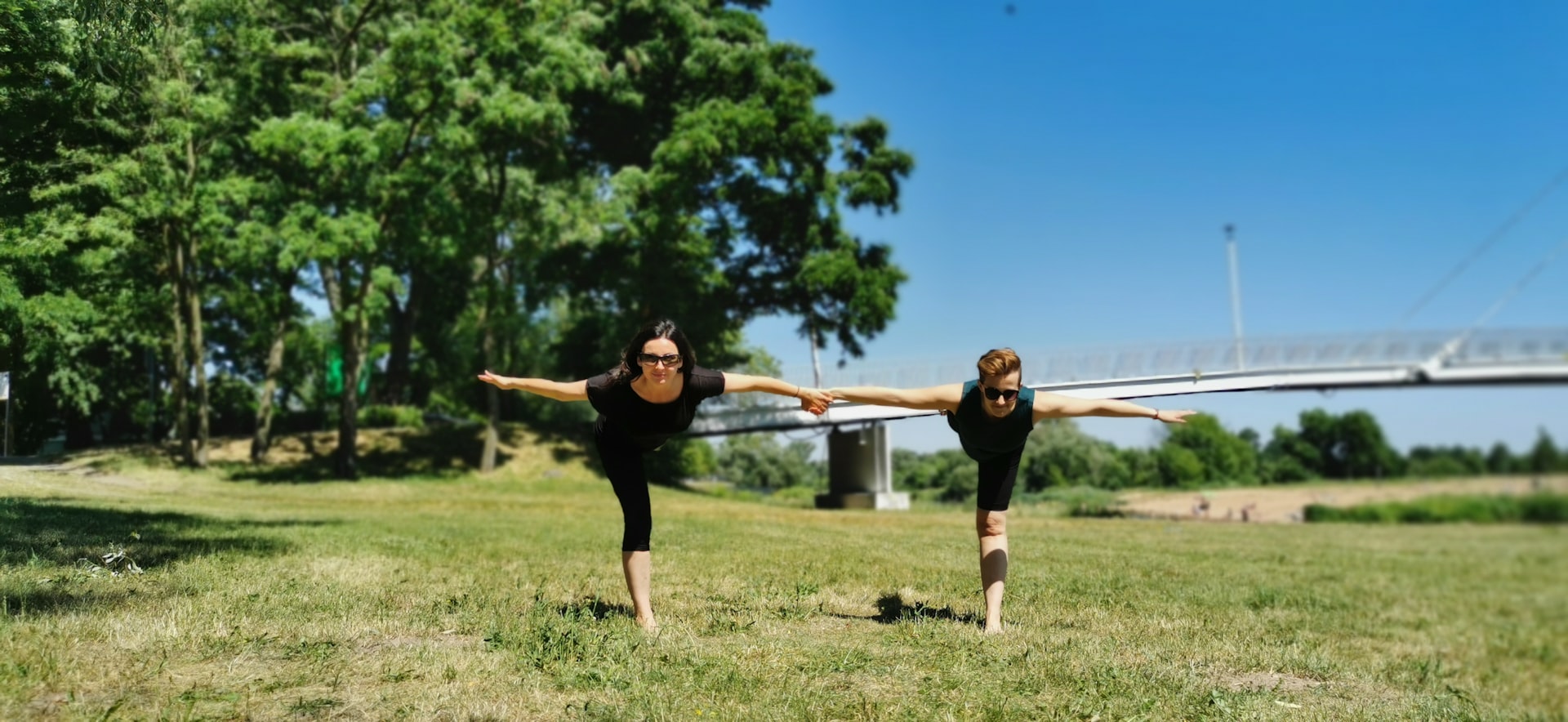
Tai Chi, a centuries-old Chinese martial art, is increasingly recognized in the West for its profound impact on balance and mobility . Unlike high-intensity workouts, Tai Chi consists of slow, deliberate movements paired with mindful breathing, making it accessible to all ages and fitness levels. Research shows Tai Chi not only promotes relaxation but also reduces fall risk, improves flexibility, and enhances overall physical function [5] .
Multiple studies confirm that regular practice of Tai Chi improves balance by training proprioception-the body’s ability to sense position and movement. Proprioception, vital for steady walking and standing, can decline with age, making falls more likely. Tai Chi’s emphasis on controlled weight shifting, postural alignment, and gentle transitions strengthens the muscles and neural pathways responsible for balance [2] . According to a research review analyzing 12 studies and 2,901 participants, Tai Chi outperformed conventional exercise in several balance metrics, including longer single-leg stances and faster completion of walking tests [1] .
Older adults practicing Tai Chi for less than 20 weeks saw significant increases in their ability to stand on one leg both with eyes open and closed. They also completed the 50-foot walk 1.84 seconds faster compared to those using conventional exercise routines [1] .
Mobility encompasses not only the ability to move but also the ease and safety of movement. Tai Chi’s slow, flowing motions encourage joint flexibility and muscle strength without overexertion. This makes it ideal for those with arthritis, recovering from injuries, or dealing with balance disorders. Participants in clinical trials consistently show improved performance in the “timed up-and-go” test, which measures how quickly one can stand, walk, and sit-a direct reflection of functional mobility [1] [3] .
Many physical therapists now incorporate Tai Chi into rehabilitation for older adults and those with chronic conditions. For example, a patient with post-stroke mobility issues may use Tai Chi’s gentle weight-shifting and joint rotations to regain stability and confidence in walking [3] .
Falls are a leading cause of injury among older adults. The American College of Sports Medicine recommends multidimensional training, with Tai Chi recognized as an effective method for reducing falls and the fear of falling [4] . Tai Chi’s unique combination of balance and mobility exercises increases awareness of body positioning and improves reaction time, which are critical for fall prevention.
Some individuals may feel intimidated by group classes or have mobility limitations. It’s important to start slowly and consult with a healthcare provider before beginning a new exercise regimen, especially if you have existing health conditions. Tai Chi can be adapted to sitting or supported standing positions, making it inclusive for nearly all ability levels. Many community centers and physical therapy offices offer modified routines designed for those with limited mobility.
If Tai Chi classes are unavailable in your area, consider gentle yoga or aquatic exercises, which also emphasize balance and flexibility. However, recent research suggests Tai Chi may provide unique benefits for functional reach and daily activity performance [1] .
Tai Chi is not just a physical exercise-it is a holistic practice that integrates mind and body. Studies show regular practice can reduce stress, improve sleep, and boost overall quality of life [2] . Over time, individuals report increased confidence, independence, and motivation to remain physically active. These secondary benefits further decrease fall risk and contribute to sustained mobility.
To begin practicing Tai Chi:
If you prefer online learning, choose programs affiliated with hospitals, universities, or established health organizations, ensuring the website is official and trustworthy.
Tai Chi offers a proven, accessible path to improving balance and mobility . With consistent practice, individuals can reduce their risk of falls, regain confidence, and maintain independence. Whether you join a community class or begin at home, Tai Chi’s gentle, mindful movements can transform your physical health and daily life.

MORE FROM getscholarships.de