
Education
Building Robust Cybersecurity Awareness in Education: Strategies, Programs, and Practical Guidance

Holistic healing is an approach that recognizes the interconnectedness of the body, mind, spirit, and emotions. Rather than focusing solely on treating symptoms or specific illnesses, holistic healing encourages individuals to address the root causes of imbalance and embrace practices that promote overall well-being. This comprehensive perspective draws on both traditional and modern therapies and emphasizes the individual’s active participation in their journey to health [1] .
The foundation of holistic healing rests on several guiding principles:
These principles are reflected in daily life by making mindful choices, fostering supportive relationships, and engaging in practices that support sustained well-being.
Holistic healing recognizes food as both nourishment and medicine. A balanced diet rich in whole foods, fresh vegetables, fruits, lean proteins, and healthy fats supports physical health and emotional stability. Many holistic practitioners recommend reducing processed foods, staying hydrated, and being mindful of how and what you eat. Personalized nutrition plans, often developed with registered dietitians, can help address specific health needs and promote sustainable habits [2] .
How to implement:
Begin by tracking your current eating habits. Gradually introduce more whole foods into your meals, pay attention to hunger and fullness cues, and consider consulting a nutrition professional for tailored advice.

Example:
Someone struggling with low energy may benefit from a diet higher in complex carbohydrates and lean proteins, tracked and adjusted with the help of a dietitian.
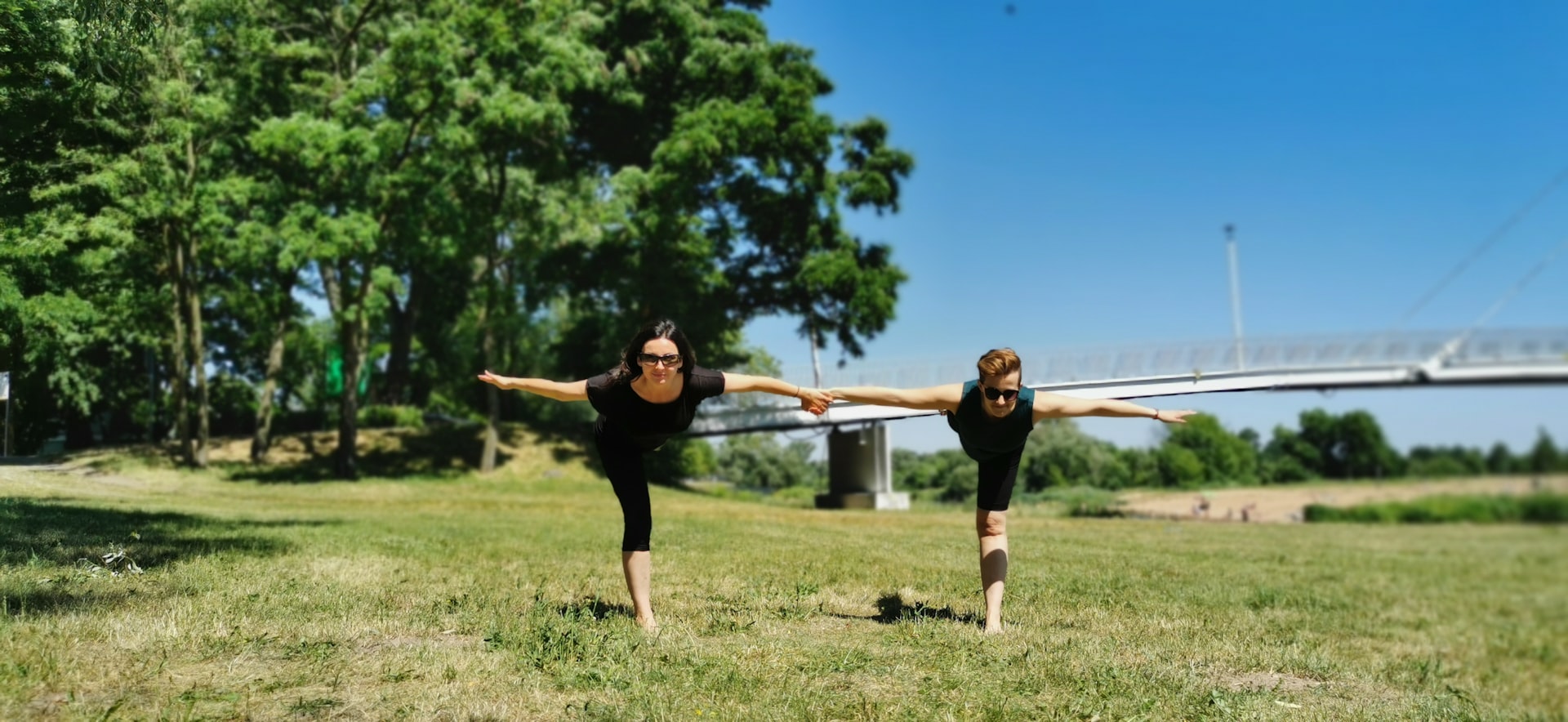
Physical activity is a cornerstone of holistic living. Exercise improves cardiovascular health, strengthens the body, and reduces stress. Holistic practices encourage finding movement forms that are enjoyable and sustainable, such as yoga, tai chi, walking, dancing, or swimming [1] .
How to implement:
Set achievable goals, such as walking 30 minutes daily or attending a weekly yoga class. The key is consistency and listening to your body’s needs and limits.
Example:
A holistic approach might include gentle stretching in the morning, movement breaks during the workday, and social activities like group hikes.
Mindfulness practices, such as meditation, deep breathing, and guided imagery, can help reduce stress and increase emotional resilience. These techniques assist in cultivating present-moment awareness, which is linked to improved mental health and greater life satisfaction [3] .
How to implement:
Start with five minutes of deep breathing or guided meditation each day. Gradually build up to longer sessions or integrate mindfulness into everyday activities, such as eating or walking.
Example:
Many individuals find using meditation apps or joining local mindfulness groups helpful for accountability and support.
Holistic healing emphasizes the importance of emotional intelligence, healthy relationships, and community support. Social connections are linked to lower stress, improved immune function, and longer life expectancy. Practices such as journaling, gratitude exercises, and regular check-ins with loved ones can enhance emotional well-being [4] .
How to implement:
Dedicate time each week to connect with friends or family, join community activities, or seek counseling if needed. Practice self-reflection and set personal boundaries to protect your emotional health.
Example:
Participating in a book club or volunteering can foster new relationships and provide a sense of belonging.
Spiritual wellness involves seeking meaning, purpose, and connection beyond oneself. This can be nurtured through practices such as meditation, prayer, time in nature, or creative expression. Spiritual health is highly individualized and may or may not involve organized religion [3] .
How to implement:
Set aside quiet time for reflection each day, explore various spiritual or philosophical traditions, and engage in practices that foster a sense of peace and connection.
Example:
Many people find meaning through gardening, art, or mindfulness retreats.
Holistic healing often incorporates therapies like acupuncture, massage, chiropractic care, herbal medicine, and energy work. These approaches can complement conventional treatments and provide additional support for chronic conditions or overall well-being [5] .
How to access:
To explore these therapies, consult licensed practitioners in your area. Verify their credentials and ask for referrals from your healthcare provider. You can also search professional associations, such as the National Certification Commission for Acupuncture and Oriental Medicine or the American Massage Therapy Association, to find certified practitioners.
Example:
Someone experiencing chronic back pain might combine physical therapy with acupuncture and mindfulness training for a well-rounded approach.
Adopting a holistic lifestyle begins with self-awareness and a willingness to make incremental changes. Here are steps you can take:
Common challenges include lack of time, overwhelm, or skepticism from others. Address these by starting small, finding supportive communities, and focusing on personal progress rather than perfection.
Holistic healing is adaptable-there is no one-size-fits-all solution. Some people may benefit from group wellness programs, online resources, or community classes. Others might focus on self-guided practices, such as home meditation or solo hikes. If you’re interested in further education, many universities and community centers offer courses in holistic and integrative health [1] .
If you wish to find a certified holistic practitioner or explore in-person options, you can:
Always verify credentials and consult your healthcare provider before starting new therapies, especially if you have chronic conditions or take prescription medications.
Holistic healing lifestyle practices offer a path to greater vitality, resilience, and fulfillment. By addressing every dimension of wellness-physical, mental, emotional, spiritual, and social-you can build a foundation for long-term health. The journey is deeply personal, and small, consistent changes can lead to significant improvements over time. If you’re ready to begin, start by reflecting on your needs, exploring available resources, and reaching out to qualified professionals for support.
MORE FROM getscholarships.de