site-logo Site Logo

Holistic Eye Wellness Practices: Nourishing Your Vision Naturally

Article avatar image

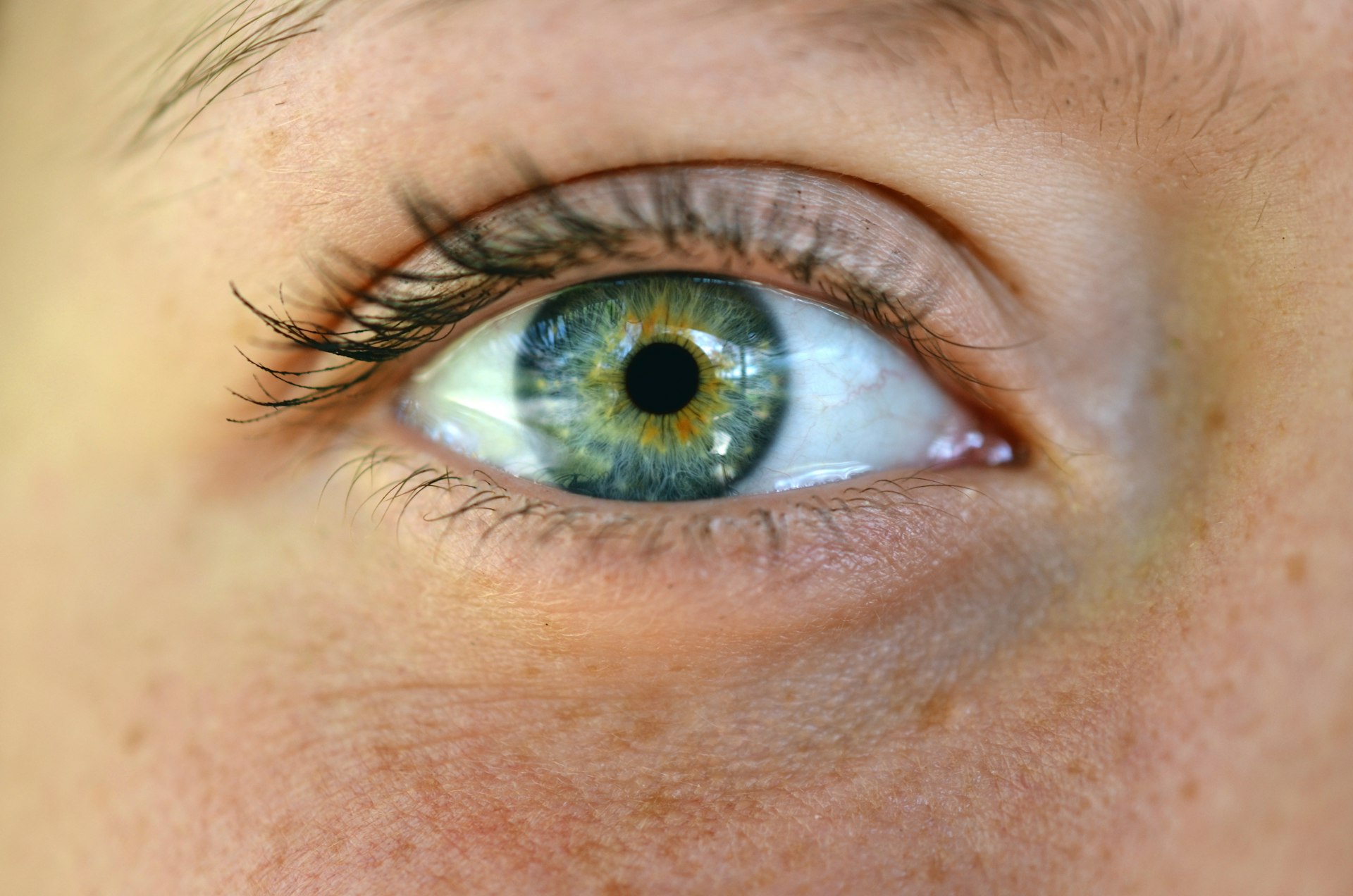
Photo by Lukas Tennie on Unsplash

Introduction

Eye health is essential to our quality of life, yet many people overlook the broader factors that influence vision. While routine eye exams and corrective lenses offer vital support, holistic eye wellness practices provide a comprehensive approach that considers diet, lifestyle, stress, and natural therapies. These practices aim not only to address symptoms but also to support the root causes of eye discomfort and visual decline. This article explores effective, actionable holistic strategies for eye wellness, including nutrition, natural remedies, stress reduction, and lifestyle modifications, all backed by current research and real-world examples.

Understanding Holistic Eye Wellness

Holistic eye care emphasizes the connection between the eyes and whole-body health. Rather than focusing narrowly on treating eye symptoms, this approach integrates nutrition, physical health, mental well-being, and environmental factors. Around the world, cultures have developed unique methods for maintaining strong vision, drawing on both traditional wisdom and modern research [1] . From Traditional Chinese Medicine and Ayurveda to naturopathy and vision therapy, holistic eye care offers diverse, non-invasive pathways to healthier eyes.

Holistic Nutrition for Eye Health

Nutrition is a cornerstone of any holistic approach. A balanced diet rich in antioxidants, vitamins, and minerals helps protect the eyes from oxidative damage, supports retinal health, and may reduce the risk of common conditions such as cataracts and age-related macular degeneration. Key nutrients for eye health include:

  • Vitamin A: Essential for night vision and overall eye function. Found in carrots, sweet potatoes, and leafy greens.
  • Vitamin C: Supports healthy blood vessels in the eyes. Abundant in citrus fruits, berries, and peppers.
  • Vitamin E: Helps protect cells from oxidative stress. Found in nuts, seeds, and vegetable oils.
  • Zinc and Selenium: Important for retinal health and immune support. Present in legumes, eggs, and seafood.
  • Lutein and Zeaxanthin: Plant pigments that may help filter harmful blue light. Rich sources include spinach, kale, and corn.

Incorporating these nutrients into daily meals can make a measurable difference over time. For personalized dietary guidance, consider consulting a registered dietitian or a holistic nutritionist experienced in eye wellness [3] .

Natural Remedies and Herbal Approaches

Many cultures use herbs and plant-based remedies for eye wellness. For example, bilberry is known for its antioxidant properties, while eyebright has been used traditionally for mild eye discomfort [1] . While some herbal supplements are available over the counter, it’s crucial to consult a healthcare professional before starting any new remedy, especially if you have pre-existing conditions or take medications. Scientific evidence supporting herbal remedies varies, so look for products with reputable certifications and clinical backing.

Eye Exercises and Vision Therapy

Targeted eye exercises can help reduce strain, improve focus, and support overall visual function. Programs such as the See Clearly Method incorporate techniques like gentle eye movement, acupressure, blinking exercises, and perceptual training. These non-invasive exercises are intended to alleviate eye fatigue and support natural vision improvement [2] . For example, regularly shifting focus from near to distant objects during screen use, performing guided eye rotations, and practicing gentle palming (resting your eyes in your hands) can help manage digital eye strain.

Article related image

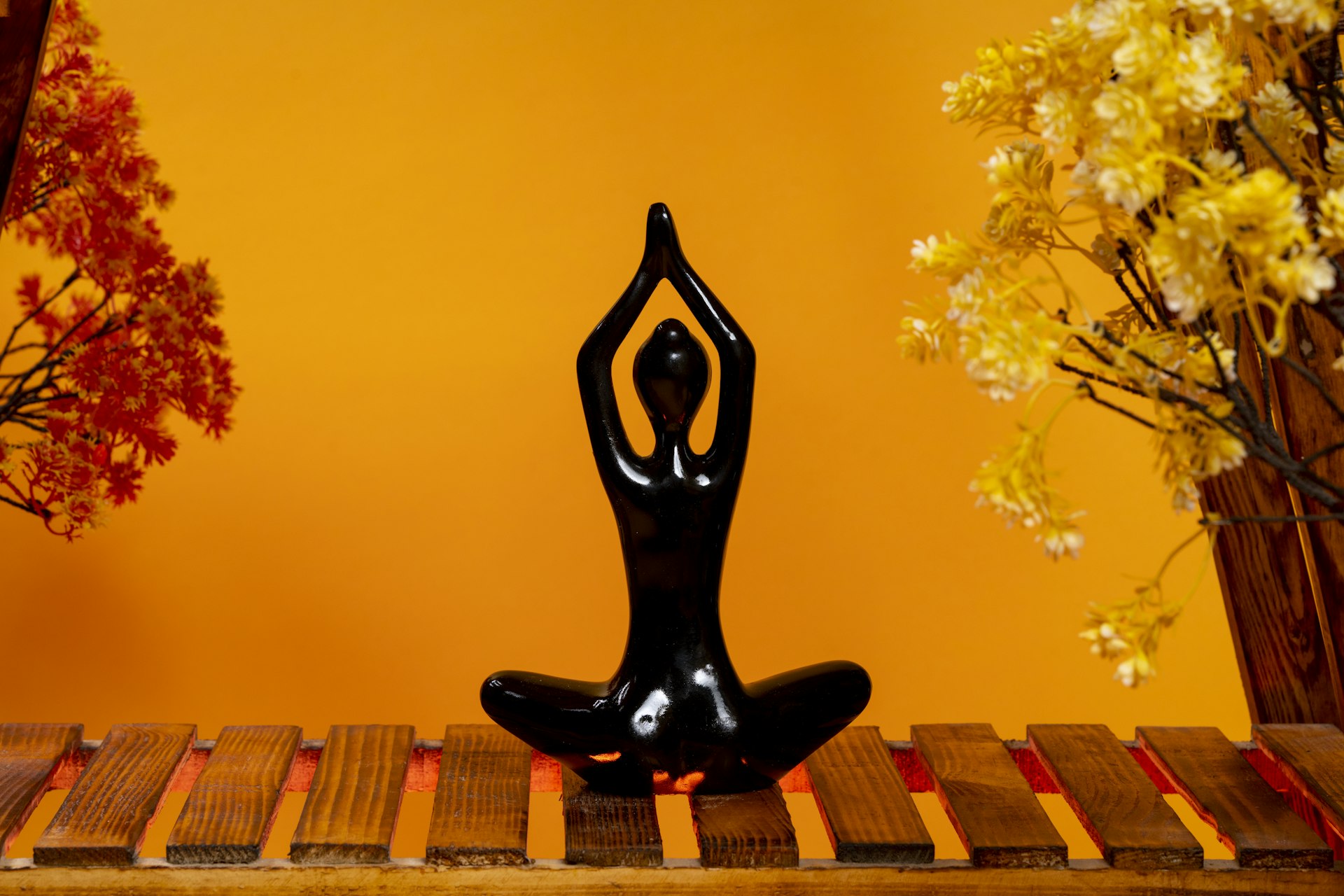
Photo by Oliver Olah on Unsplash

To implement these exercises:

  1. Set aside 5-10 minutes daily for eye exercises.
  2. Begin with simple techniques, such as focusing on a faraway object for 20 seconds after every 20 minutes of screen time.
  3. Incorporate acupressure by gently massaging the area around your eyes.
  4. Try guided routines from reputable books or vision therapy practitioners. If you experience any discomfort, stop and consult a professional.

Stress Management and Eye Health

Stress is a significant contributor to eye strain and discomfort. Chronic stress can increase muscle tension around the eyes, exacerbate headaches, and worsen visual fatigue. Holistic eye wellness emphasizes the importance of relaxation techniques such as yoga, meditation, and deep breathing. These practices help calm the mind, relax the body, and reduce ocular tension [4] . For instance, simple mindfulness exercises, a five-minute body scan, or gentle stretching can be incorporated into your daily routine.

To manage stress for eye wellness:

  • Practice daily meditation or mindful breathing for 10-15 minutes.
  • Take regular breaks during visually demanding tasks.
  • Ensure you get adequate sleep each night, as rest is vital for ocular recovery and overall health.

Lifestyle Adjustments for Vision Support

Small, consistent lifestyle changes can dramatically impact eye health. Key adjustments include:

  • Protective Eyewear: Wear sunglasses with UV protection outdoors and safety glasses in hazardous environments to prevent injury and UV damage.
  • Screen Habits: Follow the 20-20-20 rule: every 20 minutes, look at something 20 feet away for 20 seconds.
  • Proper Lighting: Ensure your workspace is well-lit to minimize eye strain.
  • Hygiene: Wash your hands before touching your eyes and avoid rubbing them to reduce the risk of infection.
  • Regular Eye Exams: Even if you follow holistic practices, routine eye exams by a licensed eye care professional are crucial for early detection and management of eye conditions.

If you are interested in international holistic eye care options, some hospitals and clinics accredited by Global Healthcare Accreditation (GHA) offer integrative services. To explore these facilities, you can search for ‘GHA-accredited eye care clinics’ and verify their credentials before making any arrangements [1] .

How to Access Holistic Eye Wellness Resources

Access to holistic eye wellness services may vary by location. Here are practical steps you can take:

  1. Search for licensed holistic health practitioners, such as integrative optometrists or nutritionists, in your area. Use terms like “holistic eye care specialist” or “integrative optometrist” in reputable provider directories.
  2. Consult with your primary eye care provider about integrating holistic strategies into your care plan.
  3. When considering supplements or alternative therapies, verify certifications (such as NSF or USP for supplements) and check for clinical evidence behind the products or techniques.
  4. For international options, look for clinics or hospitals with recognized accreditations such as GHA. Always verify credentials and patient reviews before committing to any facility.
  5. To learn more, reputable organizations like the American Optometric Association and National Center for Complementary and Integrative Health provide up-to-date information on evidence-based holistic practices. If you cannot find a local provider, consider telehealth consultations with established holistic eye care clinics.

Potential Challenges and Solutions

Some individuals may face challenges when implementing holistic eye wellness practices, such as limited access to specialists, varying levels of scientific evidence, or potential interactions between natural remedies and prescribed medications. To address these barriers:

  • Start by implementing the most accessible changes-such as diet and screen habits-while seeking professional guidance for more specialized therapies.
  • Always inform your healthcare provider about any supplements or alternative treatments you plan to use.
  • Look for local or online support groups and educational resources to stay informed and motivated.

Summary and Key Takeaways

Holistic eye wellness practices offer a comprehensive, proactive approach to vision health. By integrating nutrition, stress management, natural remedies, and mindful lifestyle adjustments, you can support your eyes and your overall well-being. While some methods may require professional guidance, many strategies are accessible and can be implemented immediately. Always prioritize safety, personalized care, and evidence-based practices as you explore holistic options for sustained visual wellness.

References

Building Robust Cybersecurity Awareness in Education: Strategies, Programs, and Practical Guidance
Unlocking Wellness Through Nature-Inspired Design: Practical Strategies for Healthier Spaces
Holistic Eye Wellness Practices: Nourishing Your Vision Naturally
Unlock Better Mental Wellness Through a Digital Detox: Practical Steps, Benefits, and Real-World Strategies
Natural Solutions for Supporting Hormonal Balance: Evidence-Based Approaches and Guidance
Transform Your Balance and Mobility: The Proven Advantages of Tai Chi
Unlocking Student Success: Implementing Financial Literacy Programs in Schools
Unlocking the Digital Entrepreneurship Lifestyle: Freedom, Flexibility, and Global Opportunity
Seasonal Lifestyle Adjustments: Practical Strategies for Year-Round Well-Being
Holistic Healing Lifestyle Practices: A Comprehensive Guide to Mind-Body Wellness
Building Sustainable Self-Care Lifestyle Routines: Your Guide to Everyday Wellbeing
Transform Your City Living: Proven Urban Gardening Lifestyle Practices for Health, Sustainability, and Joy