
Education
Building Robust Cybersecurity Awareness in Education: Strategies, Programs, and Practical Guidance

Urban gardening has emerged as a transformative lifestyle practice, offering city dwellers the opportunity to cultivate fresh produce, beautify their living spaces, and improve overall well-being. Despite the challenges of limited space, poor soil quality, and bustling urban environments, urban gardening provides a pathway to reconnect with nature, support sustainability efforts, and foster community engagement. This guide explores actionable urban gardening lifestyle practices that empower individuals and families to thrive in city settings.
One of the primary obstacles urban gardeners face is limited space . However, innovative techniques allow for efficient use of even the smallest areas. Vertical gardening is a leading solution, utilizing wall-mounted planters, hanging pots, and modular kits to grow a variety of plants without occupying valuable floor space. Tiered shelving and stackable containers further enhance space utilization by allowing different plant types to coexist-herbs and flowers can thrive below, while vining vegetables flourish above. Raised beds and mobile planters offer additional flexibility, enabling gardeners to move crops for optimal sunlight and seasonal protection [1] .
Example: In New York City, rooftop gardens have become popular, with residents converting unused rooftop areas into lush vegetable and herb gardens. By employing vertical structures and mobile containers, these spaces yield impressive harvests without requiring permanent land use.
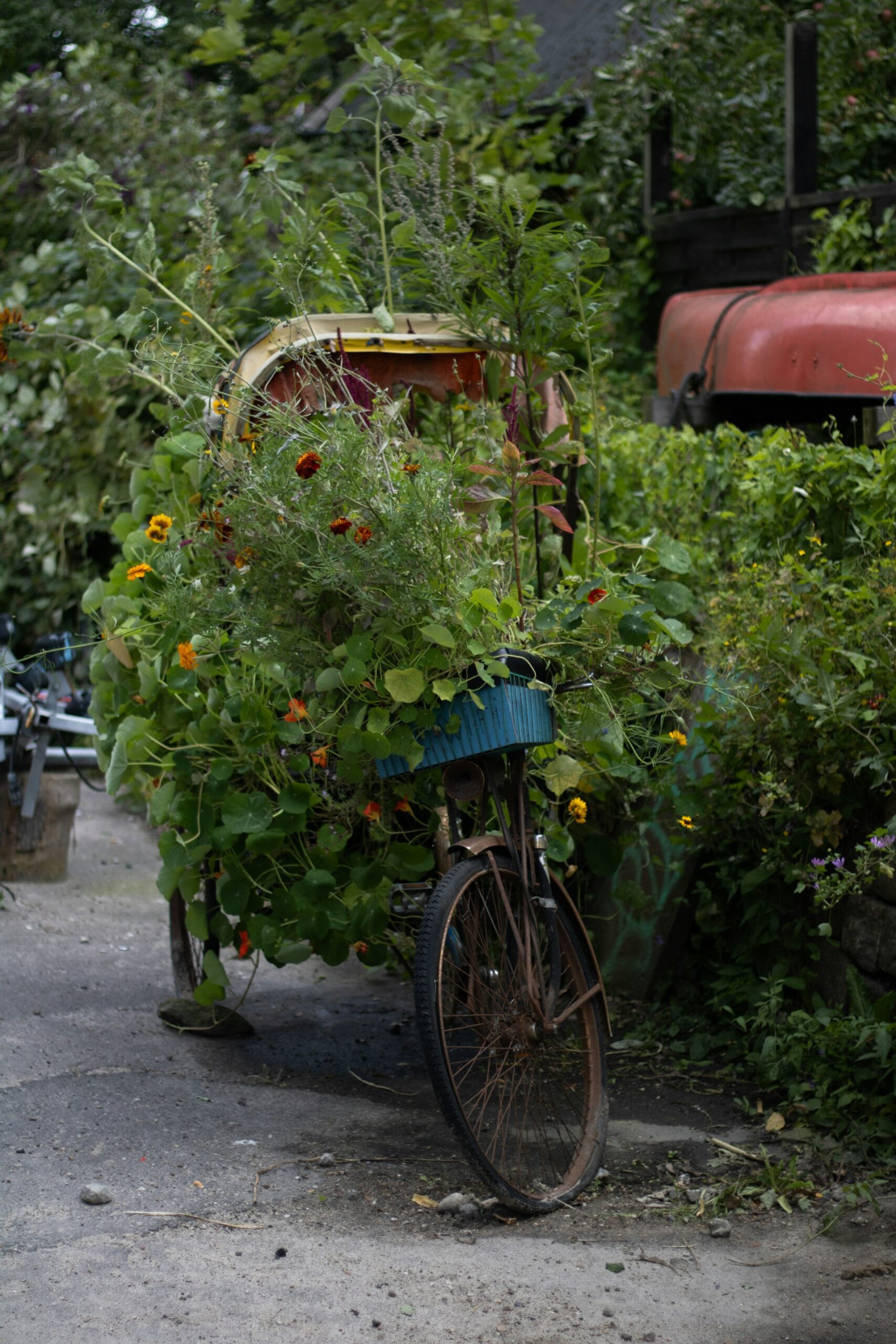
Urban gardening success hinges on selecting space-saving, fast-growing plants suited to local conditions. Vegetables such as cherry tomatoes, lettuces, spinach, peppers, and radishes perform well in containers and raised beds. Hardy herbs like mint, chives, and basil add flavor and are easy to maintain. For spaces with limited sunlight, shade-tolerant varieties should be prioritized. Edible flowers such as nasturtiums and violets not only enhance garden aesthetics but also repel certain pests and contribute valuable nutrients [1] .
Case Study: A Chicago resident with a small balcony garden reported consistent yields by focusing on leafy greens and herbs, adapting plant choices seasonally to maximize growth and minimize resource use.
Healthy soil is the cornerstone of any productive urban garden. City environments often present challenges such as soil compaction, contamination, and nutrient depletion. Raised bed gardening is a highly recommended practice, allowing gardeners to start with clean, high-quality soil mixes. The use of compost, topsoil, and organic amendments creates a nutrient-rich, well-draining medium for plant roots. To foster a thriving soil microbiome, minimize disturbance, avoid synthetic fertilizers and pesticides, and regularly incorporate organic matter like compost and mulch. Diverse plantings further support microbial activity, enhancing nutrient cycling and plant health [3] .
Implementation Steps: 1. Build raised beds using untreated wood or non-toxic materials. 2. Fill with a blend of compost, topsoil, and organic amendments. 3. Plant a diverse array of crops to support soil biodiversity. 4. Apply mulch to retain moisture and suppress weeds.
Urban gardening is inherently sustainable, but adopting specific eco-friendly practices amplifies its benefits. Composting is a cornerstone practice, converting organic kitchen and garden waste into nutrient-rich fertilizer while diverting material from landfills. To start, set up a compost bin in a shady area and include vegetable scraps, coffee grounds, and yard trimmings. Avoid adding meat, bones, and pet waste to prevent odors and pests. Water conservation is equally critical-irrigate plants efficiently by using drip systems or watering at the base of each plant rather than spraying widely. Whenever possible, collect rainwater for irrigation [5] .
Example: In San Francisco, community gardens often employ shared composting stations and rain barrels, enabling participants to reduce costs and environmental impact while improving soil health.
Thoughtful design is vital to maximize urban gardening success. Start by assessing your needs-do you want fresh produce, herbs, or ornamental flowers? Next, evaluate your growing area for sunlight, space, and water access. Vertical gardens, hydroponic systems, and container setups are ideal for apartments and small balconies. For larger spaces, rooftop gardens and backyard beds offer more options. Always check with property management or local authorities before installing permanent structures [2] .
Step-by-Step Guidance: 1. List your gardening goals (e.g., food, relaxation, education). 2. Measure available space and sunlight exposure. 3. Select a garden method (vertical, container, hydroponic, rooftop). 4. Design the layout and make a materials list to budget efficiently. 5. Begin with easy-to-grow crops and expand as you gain experience.
Urban gardening extends beyond individual households; community gardens foster connection, food security, and knowledge sharing. Many cities host community garden networks, where residents can rent plots, share resources, and participate in educational workshops. To find local opportunities, search “community garden [your city]” or contact the municipal parks department. Some organizations may have waiting lists, so inquire early and explore alternatives such as school gardens or pop-up events.
Alternative Pathways: If community gardens are unavailable, consider collaborating with neighbors to create shared container gardens in courtyards or building rooftops. Seek permission from property managers and pool resources for soil, seeds, and tools.

Urban gardening delivers measurable health benefits, including stress reduction, improved mood, and increased physical activity. Studies show that regular gardening can lower blood pressure and anxiety, while access to fresh produce supports better nutrition [2] . Additionally, gardening provides educational opportunities for children, teaching responsibility and environmental stewardship [4] .
Challenges such as limited sunlight, water restrictions, and urban pests can be addressed with strategic planning. Shade-tolerant crops and reflective surfaces maximize light exposure. Efficient watering techniques conserve resources, while natural pest control methods (like companion planting and neem oil) help protect plants. Joining online forums or local gardening clubs is a great way to learn from experienced urban gardeners and troubleshoot issues.
Key Takeaway: Urban gardening is accessible to most city residents with thoughtful planning, adaptive techniques, and a commitment to sustainable practices. Whether you have a windowsill or a rooftop, these lifestyle practices deliver lasting rewards.
To begin your urban gardening journey, follow these steps: 1. Assess your space and goals. 2. Choose suitable crops and gardening methods. 3. Prepare soil and set up containers or beds. 4. Implement sustainable practices (composting, water conservation). 5. Connect with local gardening groups or community gardens. 6. Monitor your garden and adjust as needed. If you need professional advice, search for “urban gardening workshops [your city]” or “master gardener programs” offered by local universities and county extension offices. For supplies, reputable retailers like Home Depot and Lowe’s offer a variety of containers, soils, and tools-visit their official websites or stores for product information and availability.
MORE FROM getscholarships.de