
Education
Building Robust Cybersecurity Awareness in Education: Strategies, Programs, and Practical Guidance

Our bodies and minds are deeply connected to the cycles of nature. As temperatures shift, daylight fluctuates, and local foods change with the seasons, so do our needs for nourishment, movement, and rest. Making seasonal lifestyle adjustments is a holistic approach to health that helps you stay in sync with the environment, increase resilience, and maximize well-being throughout the year [1] . This article breaks down actionable strategies and step-by-step guidance for tailoring your routine in spring, summer, fall, and winter-backed by expert insights and real-world examples.
Each season brings unique opportunities and challenges for our bodies and minds. Research shows that physical energy, appetite, sleep patterns, and even mental health can shift as the seasons change [4] . For example, colder months may prompt cravings for heavier foods and more rest, while longer days in spring boost activity and motivation [2] . Understanding these patterns can help you proactively adapt, rather than react, to shifting circumstances.
1. Eat with the Season Choose locally grown, in-season produce for optimal nutrition and sustainability. In spring and summer, enjoy lighter fare like berries, leafy greens, and cucumbers that hydrate and energize. In fall and winter, focus on hearty root vegetables, squashes, and warming grains. This approach supports your body’s changing needs and can help reduce your environmental footprint [3] .
How to Implement: – Visit your area’s farmers’ markets to find what’s in season. – Plan meals around seasonal ingredients; many online guides and cookbooks offer seasonal recipes. – If you’re new to this, start by swapping one meal per week with in-season produce.
Real-World Example: In summer, swap out heavy stews for tomato salads and grilled vegetables. In winter, shift toward roasted root vegetables and hearty soups.
Potential Challenges & Solutions: If fresh produce is scarce, frozen vegetables and fruits are a nutritious alternative. Many local food co-ops also offer seasonal produce delivery.
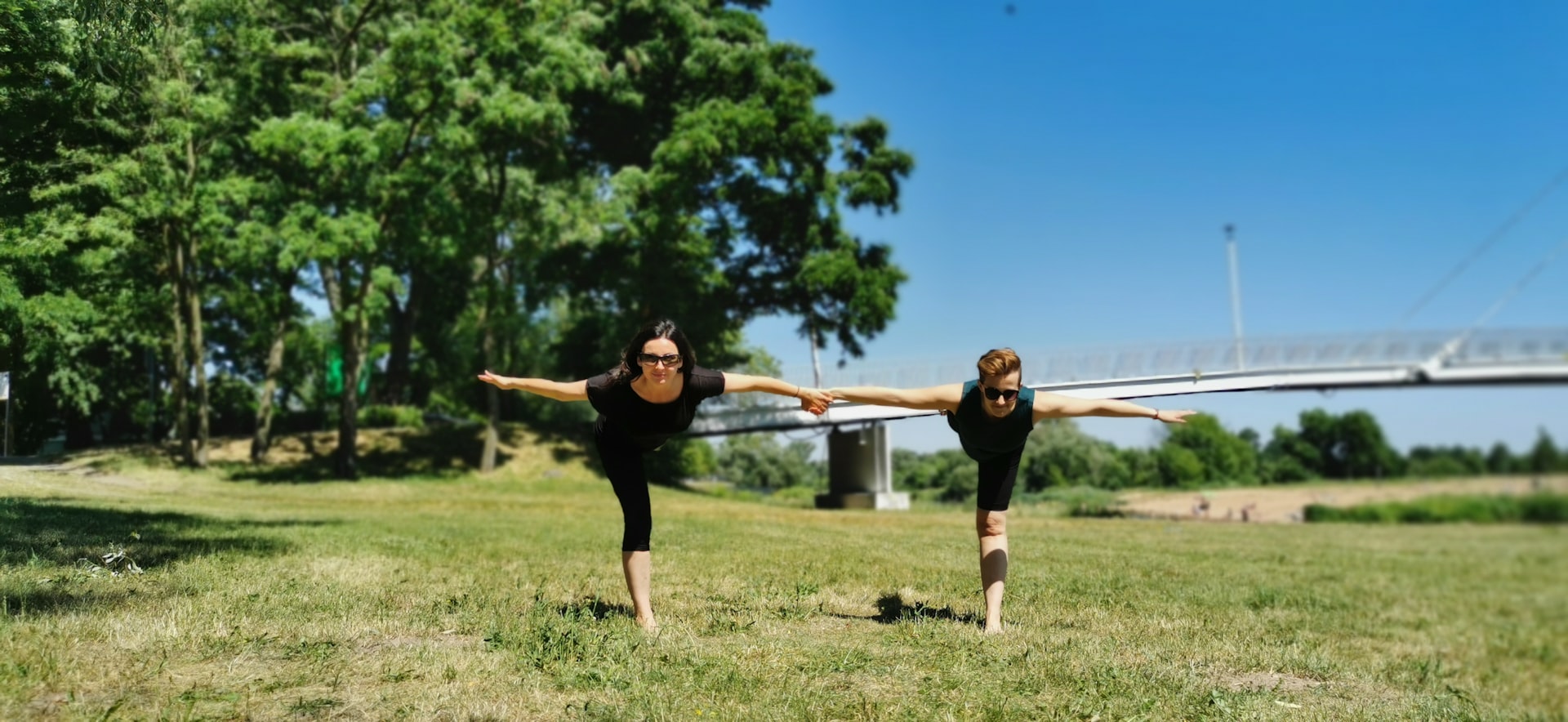
2. Modify Exercise Routines Longer and warmer days in spring and summer encourage outdoor activity-think hiking, cycling, or swimming. In colder months, shift toward indoor activities like yoga, strength training, or home workouts [1] . Adapting your exercise routine keeps motivation high and aligns with your body’s energy levels.
How to Implement: – In spring and summer, schedule regular outdoor walks or join a local sports group. – In fall and winter, find online fitness classes or invest in basic home workout equipment. – Monitor local air quality and allergy forecasts if you’re sensitive; choose indoor alternatives on high-risk days.
Example: In spring, join a community 5k or take up gardening as a form of movement. In winter, try online pilates or dance workouts.
Alternative Approaches: If you have mobility limitations, chair exercises or gentle stretching routines can help maintain activity year-round.
3. Redefine Sleep and Rest Your sleep needs may change with the seasons-longer nights in winter often increase the need for rest, while extra daylight in summer can disrupt sleep patterns. Experts recommend adjusting your bedtime routine and bedroom environment to reflect seasonal changes [5] .
How to Implement: – In winter, adopt an earlier bedtime and reduce screen time before bed. – Use blackout curtains in summer to block early morning light. – Listen to your body; some people need more rest as the weather cools.
Real-World Example: Shift your sleep schedule gradually by 10-15 minutes per week as the seasons change.
Potential Challenges: If you struggle with seasonal insomnia or fatigue, consider consulting a healthcare provider. Mindfulness and relaxation techniques can also help.
4. Practice Mindfulness and Seasonal Reflection Seasonal transitions can affect mental health, causing mood shifts, anxiety, or even seasonal affective disorder (SAD). Practicing mindfulness and intentional reflection helps you process these changes and stay grounded [3] .
How to Implement: – Set aside time at the start of each season to reflect on goals and intentions. – Use journaling or meditation to stay present and aware of your emotions. – Seek support from a mental health professional if seasonal changes trigger significant distress.
Example: Practice gratitude journaling in autumn to reflect on the year’s progress.
Alternative Approaches: Online support groups or seasonal workshops can offer community and accountability.
5. Conscious Drinking Habits Hydration needs rise in warmer months due to increased perspiration, while cooler weather can make you less aware of thirst. Experts advise monitoring your fluid intake and adjusting based on activity and climate [2] .
How to Implement: – Carry a reusable water bottle and set reminders to drink regularly. – Include water-rich foods (like watermelon or cucumbers) in your diet in summer. – In winter, herbal teas and soups can help meet hydration needs.
Potential Challenges: If you dislike plain water, infuse it with fresh fruit or herbs for flavor.
Step 1: Observe how your body and mind respond to each season-track changes in mood, energy, and cravings. Step 2: Research which foods are in season locally; plan meals and shopping trips accordingly. Step 3: Adjust your exercise schedule to suit weather and daylight hours; explore new activities when possible. Step 4: Modify your sleep routine and bedroom environment to optimize rest. Step 5: Set seasonal intentions and practice regular reflection. Step 6: Monitor hydration and adapt your intake to match seasonal needs.
If you’re unsure where to start, consider consulting a nutritionist, personal trainer, or mental health professional for personalized recommendations. For information on seasonal produce in your area, visit your local agriculture extension office or search for “seasonal food guides” from reputable organizations.
Common obstacles to seasonal lifestyle adjustments include busy schedules, budget constraints, and lack of access to fresh foods or fitness facilities. Many communities offer resources such as public parks, free wellness classes, and local food cooperatives. You can also find support by joining online forums or local groups focused on healthy living and seasonal adaptation.
Seasonal lifestyle adjustments are about more than just coping with weather-they’re about thriving in harmony with nature’s cycles. By tuning into your body, adapting your habits, and seeking support when needed, you can cultivate resilience and well-being all year long. Remember, small, sustainable changes add up over time. Start with one adjustment this season and build from there.
[1] NaturesPlus (n.d.). Adapting to Seasonal Changes – Strategies for Wellness. [2] Lakeview Cardiology Texas (2025). How Seasonal Changes Affect Weight Loss and Obesity Management. [3] Escape the Busy (n.d.). What is Seasonal Living? [4] Sermo (2023). The Seasonal Shift: A Physician’s Take on Seasonal Health Effects. [5] Vocal Media (2024). Simple Seasonal Wellness Shifts: Easy Lifestyle Changes for Year-Round Health.

MORE FROM getscholarships.de