
Education
Building Robust Cybersecurity Awareness in Education: Strategies, Programs, and Practical Guidance

Creating a DIY outdoor living room that truly integrates with your garden offers a unique opportunity to blend comfort, style, and nature. The goal is to create a seamless extension of your home, making the outdoors as inviting and functional as your favorite indoor spaces. Whether you have a sprawling yard or a compact terrace, you can design a space that encourages relaxation, entertainment, and a closer connection to nature. This guide provides actionable steps, proven design ideas, and practical solutions to achieve an outdoor living room that harmoniously connects with your garden.
Begin by envisioning how you want to use your outdoor living room. Do you imagine cozy evenings by a fire pit, alfresco dinners, or tranquil afternoons surrounded by greenery? Take stock of your available space, sunlight, privacy needs, and existing garden features. Even small or grassless spaces can be transformed by thinking creatively and working with what you have. For example, balconies and patios can be upgraded with modular, foldable furniture and vertical planting to maximize utility and greenery [2] .
To make your outdoor living room feel like a natural extension of your home, carry similar color schemes, textures, and materials from indoors to outdoors. Use outdoor rugs, throws, and cushions in tones that reflect your interior style. Flooring continuity is also crucial-choosing decking, tiles, or outdoor carpets that echo your indoor floors can visually connect the spaces [4] . Large sliding or bi-fold doors can further blur the boundaries, but if structural changes aren’t possible, focus on portable elements like planters, lighting, and accessories to create a unified look.

Invest in comfortable, weatherproof furniture designed for outdoor use. Modular sofas, reclining chairs, and extendable tables allow you to adapt your setup for lounging or dining. If space is tight, opt for compact bistro sets or benches with built-in storage. For ultimate flexibility, choose pieces that can be easily moved or folded away when not in use. Outdoor furniture made from teak, powder-coated aluminum, or high-quality resin resists the elements and requires minimal care. Soft furnishings-like waterproof cushions and throws-add comfort and style while withstanding outdoor conditions [2] .
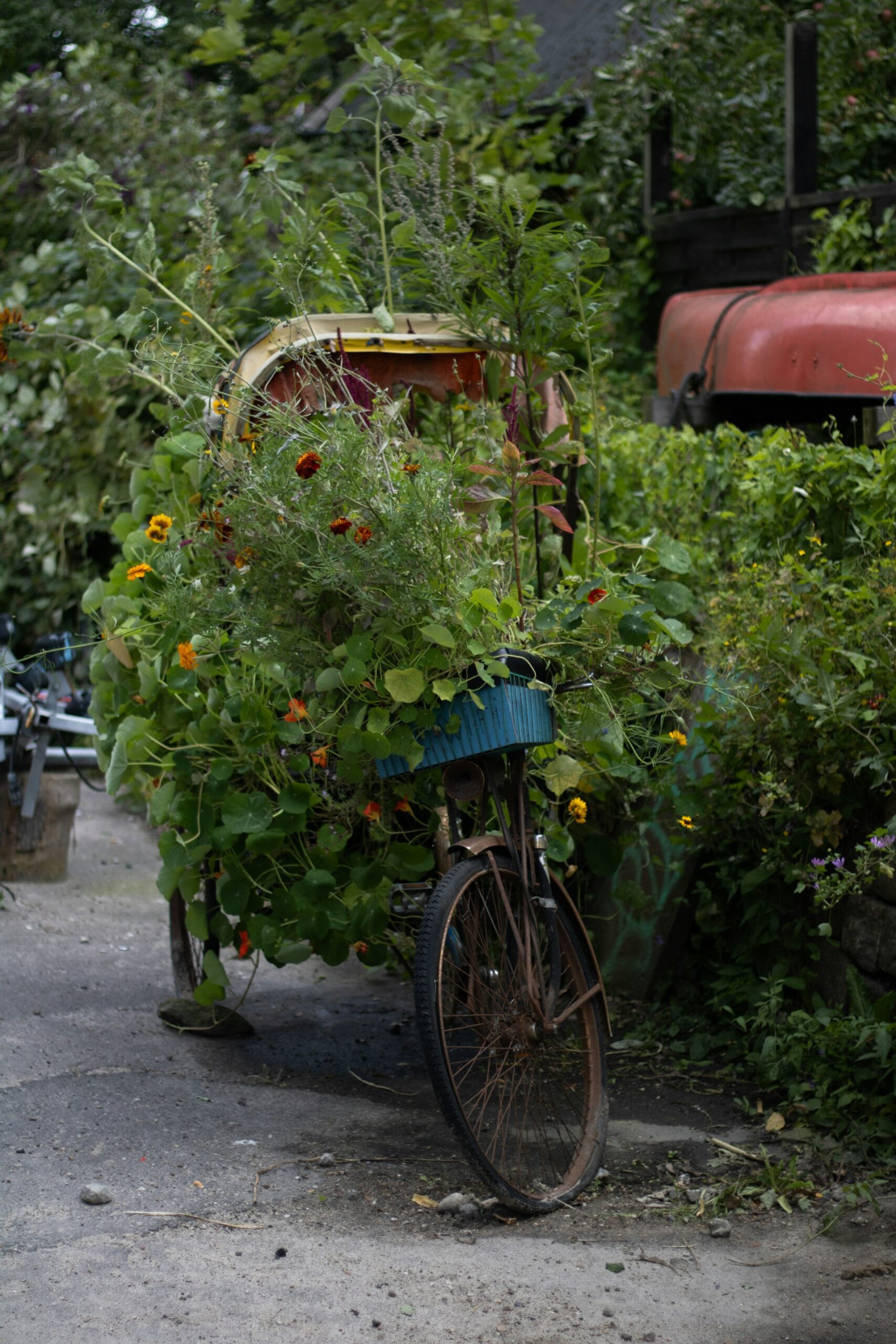
Maximize your garden integration with vertical gardening and raised beds. Wall planters, trellises, and climbing vines transform bare fences or walls into lush backdrops. Techniques like espalier-training fruit trees or shrubs flat against a wall-let you add greenery without sacrificing floor space. Raised beds and planter boxes allow for easy access and better control over soil quality, making them ideal for both decorative plants and edible gardens [1] [3] . For renters or those with paved yards, freestanding planters and container gardens are excellent alternatives.
Define distinct areas within your outdoor living room for relaxation, dining, or play by using plant borders, outdoor rugs, or pergolas. Creating focal points-such as a fire pit, water feature, or garden sculpture-adds visual interest and anchors the space. Framing views with arbors or strategically placed plants can enhance privacy while drawing the eye to beautiful garden features [1] . For added intimacy, use tall planters, trellises, or outdoor curtains to shield seating areas from neighbors without making the space feel closed off [2] .
Layered lighting extends the usability of your outdoor living room into the evening and enhances the mood. Consider a mix of solar path lights, lanterns, string lights, and battery-powered lamps. Highlight garden features, walkways, and key seating areas for safety and ambiance. Choose warm-toned bulbs for a cozy glow, and position lights to highlight your favorite plants or architectural features [1] .
Add personality to your outdoor space with homemade plant labels, painted pots, or reclaimed-wood tables. Upcycling materials-such as old kitchen utensils for plant markers or pallets for furniture-introduces unique charm and sustainability. DIY projects like building your own raised beds or creating a custom garden arbor can be both rewarding and cost-effective [3] . If you’re new to DIY, start with small projects and gradually take on more complex builds as your confidence grows.
Space constraints: Opt for vertical gardens, multi-use or foldable furniture, and modular planters. Privacy concerns: Use tall plantings, screens, or outdoor curtains to shield your space. Weather exposure: Invest in furniture covers, shade sails, or retractable awnings to protect your setup. Budget limits: Prioritize essential elements, tackle one project at a time, and use upcycled materials when possible. For renters, focus on portable features that can move with you.
For inspiration and practical DIY tutorials, home improvement guides such as This Old House, Extra Space Storage, and Harbour Lifestyle offer detailed advice, real-world examples, and ideas suited to different climates and budgets. When searching for local materials or professional advice, consider reaching out to your nearest garden center, home improvement store, or a local landscaping professional. To see how others have connected their homes and gardens, explore video tours and tutorials from reputable gardening channels on platforms like YouTube [1] [3] [2] .
MORE FROM getscholarships.de