site-logo Site Logo

How to Build a Small Greenhouse Using Recycled Materials: Step-by-Step Guide, Real Examples, and Practical Tips

Article avatar image

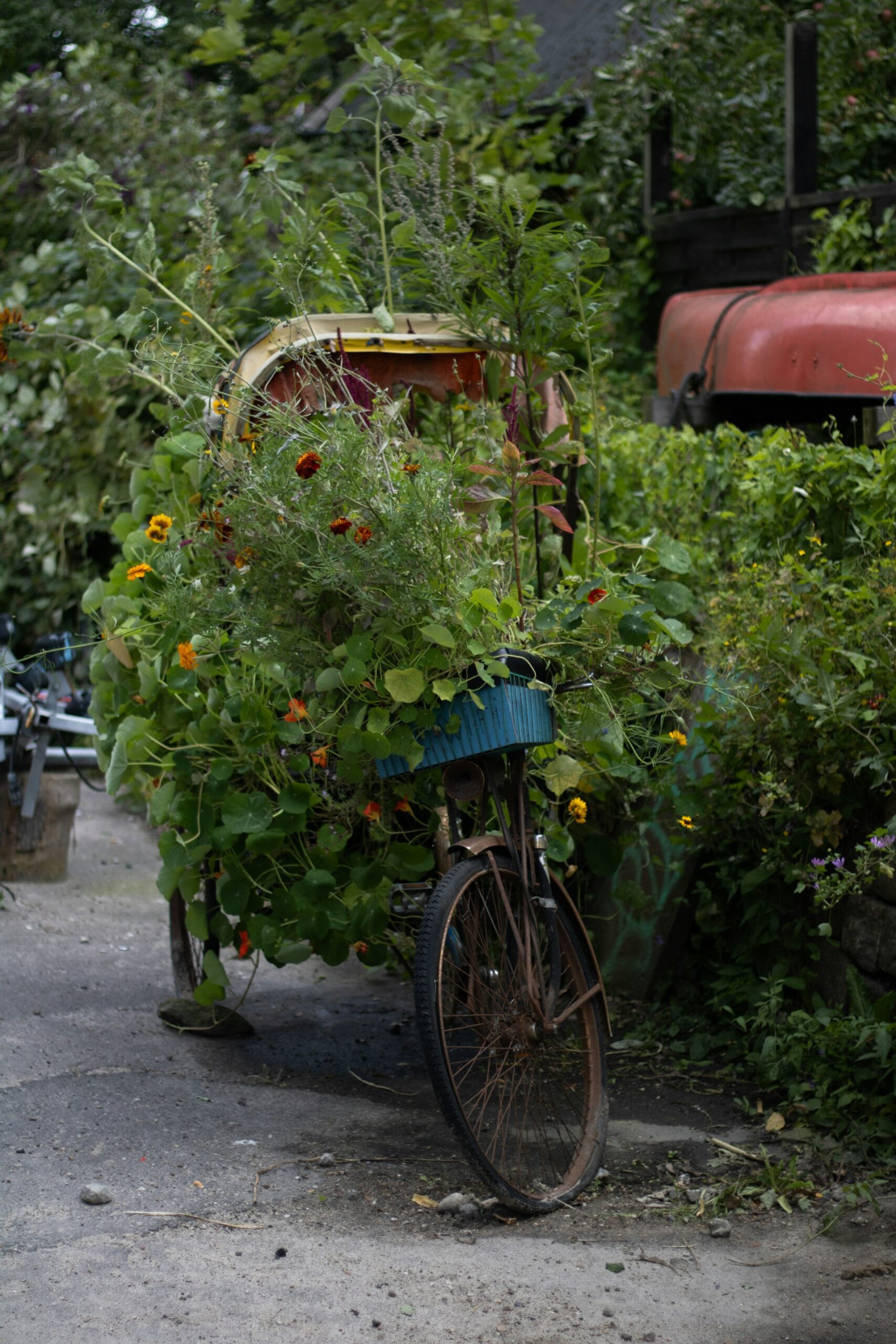
Photo by CLARA METIVIER BEUKES on Unsplash

Introduction

Building a small greenhouse using recycled materials combines sustainability with practicality, offering gardeners an affordable way to extend the growing season, nurture seedlings, and reduce landfill waste. This guide provides comprehensive, actionable steps, real-world examples, and alternative approaches for constructing your own eco-friendly greenhouse, while addressing common challenges and showing how to source materials responsibly. Whether you want to save money, reduce your environmental footprint, or simply enjoy a rewarding DIY project, this article will help you get started and succeed.

Why Build a Greenhouse with Recycled Materials?

Greenhouses create controlled environments for plants, enabling year-round gardening and protecting crops from pests and harsh weather. Constructing one from recycled materials brings additional benefits:

  • Cost savings : Recycled windows, wood, and pavers can be acquired for free or at minimal cost, potentially saving up to 90% compared to commercial greenhouse kits [1] .
  • Environmental impact : Repurposing discarded items keeps them out of landfills and reduces the demand for new resources [4] .
  • Creativity and customization : Recycled materials allow for unique designs tailored to available resources and personal preferences.

Many successful projects demonstrate how ordinary items-old windows, scrap wood, reclaimed pavers-can be transformed into beautiful, functional greenhouses [3] .

Planning Your Greenhouse: Sourcing and Selecting Materials

Begin by determining the desired size, location, and purpose of your greenhouse. Consider sun exposure, proximity to water sources, and ventilation needs. Next, source recycled materials:

  • Windows and Glass : Salvaged windows from demolition sites, renovation projects, or landfill can provide excellent insulation and light, but may require cleaning and minor repairs [1] . Some builders learn to cut glass themselves to fit odd sizes [2] .
  • Wood and Timber : Old fencing, barn wood, or scrap lumber can be used for framing. Cut pieces to size and check for signs of rot or pests [3] . Always treat wood to improve longevity.
  • Pavers and Flooring : Discarded bricks, pavers, or slate from neighbors or local classifieds offer sturdy, attractive flooring and foundation options [4] .
  • Hardware : Hinges, latches, and screws can be found at flea markets or salvaged from other projects. Brass hinges, for example, may be available for a few dollars each [2] .

To find these materials, search for local demolition projects, network with neighbors, check online marketplaces, or visit salvage yards. Always ask permission before collecting materials from private property or commercial sites.

Step-by-Step Construction Guide

Follow these steps to build your greenhouse, adapting them to the specific recycled materials you acquire.

1. Design and Measure

Sketch a basic plan based on available windows and wood. Group windows into pairs for equal sides and determine the best layout for stability and light. Account for ventilation by including openable panels or space for a fan [1] .

2. Prepare the Foundation

Level the ground and lay a foundation using recycled pavers or bricks. This not only stabilizes the structure but also improves drainage. If using wood, ensure it is treated and properly anchored to prevent rotting [4] .

3. Build the Frame

Construct the frame from scrap timber, ensuring all joints are secure and the structure is square. Use braces for added strength. If using random-sized wood, cut to fit and reinforce weaker areas as needed [3] .

4. Install Windows and Panels

Clean and repair salvaged windows as needed. Secure them to the frame with screws, caulk all edges to prevent drafts, and fill gaps with trim or additional wood. Consider learning basic glass cutting if windows need resizing [2] .

5. Build the Roof

Use lightweight, waterproof materials such as recycled siding, corrugated plastic, or more windows. Ensure the roof has a minimum pitch of 4 degrees for proper drainage and include vents or openable windows for airflow [1] .

6. Add Shelves and Furnishings

Repurpose old tables, benches, or shelving units for interior organization. These can often be found discarded locally. Arrange them for easy access and to maximize growing space [1] .

7. Seal and Paint

Apply outdoor caulk to all joints and cracks for weatherproofing. Paint wooden surfaces with outdoor-grade paint to extend lifespan and add color or style [1] .

Real-World Examples and Case Studies

Several successful greenhouse builds have been documented:

  • Instructables Project: One builder created a greenhouse from old house windows, spending about $300 on lumber and hardware-less than 10% of a commercial kit. The project took three months, working one day a week [1] .
  • YouTube Projects: DIYers have sourced free windows from landfills and reclaimed wood from sheds or big box stores, creating functional and attractive spaces for minimal cost [2] [3] .
  • Sustainable Holly: A greenhouse built in New Zealand used recycled timber windows, shiplapped walls from discarded fences, and pavers gifted by neighbors. The result was a practical, beautiful structure for potting and relaxation [4] .

Challenges and Solutions

While building with recycled materials offers many advantages, it can present specific difficulties:

  • Material Sizing : Windows and wood may be irregularly sized, requiring creative design and custom fitting. Learning basic carpentry and glass cutting skills can help.
  • Structural Integrity : Older materials may be weaker. Reinforce frames and check for rot or rust before use.
  • Weatherproofing : Thorough caulking, painting, and sealing are essential for durability.
  • Ventilation : Plan for airflow by including openable panels or installing a fan.

Take safety precautions during construction, especially when handling glass and power tools. If uncertain about structural design, consult local building resources or experienced DIYers for advice.

Alternative Approaches

If windows or traditional lumber are unavailable, consider these alternatives:

  • Plastic Bottles : Assemble walls from hundreds of 2-liter bottles, which provide insulation and allow light in [5] . This approach requires collecting, cleaning, and joining bottles into panels.
  • Pallets : Disassemble pallets for usable wood, making sturdy frames and shelves.
  • Metal Sheets : Repurpose old corrugated roofing or metal panels for walls and roof sections.
  • Online Inspiration : Search for “DIY greenhouse recycled materials” on platforms like Pinterest for hundreds of creative ideas [5] .

Accessing Resources and Getting Started

To begin your project:

  1. Assess what recycled materials you already have or can source locally. Ask neighbors, check local classifieds, or visit salvage yards.
  2. Sketch your greenhouse design, accounting for the size and type of materials available.
  3. Gather basic tools: saws, drill, screwdriver, caulk, paint, and safety equipment.
  4. Follow the step-by-step guidance above, adapting as needed for your materials.
  5. If you need technical support, search for community DIY forums or local gardening groups. Many organizations offer free advice and workshops.
  6. For inspiration and detailed walkthroughs, visit verified sources like Instructables, Sustainable Holly, and reliable YouTube channels.

If you cannot find verified online resources for a specific material or technical issue, consider contacting local home improvement stores or searching for “community salvage yard” in your area. Always prioritize safety and consult local authorities for building codes if your greenhouse exceeds basic size limits.

Key Takeaways

Building a small greenhouse with recycled materials is achievable, affordable, and environmentally beneficial. While it requires flexibility, creativity, and careful planning, numerous documented projects prove its feasibility. By following the guidance above, sourcing materials responsibly, and adapting to challenges, you can create a thriving space for plants and enjoy the satisfaction of sustainable DIY construction.

Article related image

Photo by Tanya Barrow on Unsplash

References

  1. Instructables (2023). Greenhouse From Old Windows – Step-by-step DIY guide and cost breakdown.
  2. YouTube (2023). DIY Recycled Window Greenhouse – Real-world build using landfill windows.
  3. YouTube (2025). I built this greenhouse by myself using only scrap materials – Complete build process and tips.
  4. Sustainable Holly (2021). DIY Greenhouse Built from Recycled Windows – Case study and design inspiration.
  5. Pinterest (2025). DIY Greenhouses Using Upcycled Materials – Alternative designs and ideas.
Building Robust Cybersecurity Awareness in Education: Strategies, Programs, and Practical Guidance
Unlocking Wellness Through Nature-Inspired Design: Practical Strategies for Healthier Spaces
Holistic Eye Wellness Practices: Nourishing Your Vision Naturally
Unlock Better Mental Wellness Through a Digital Detox: Practical Steps, Benefits, and Real-World Strategies
Natural Solutions for Supporting Hormonal Balance: Evidence-Based Approaches and Guidance
Transform Your Balance and Mobility: The Proven Advantages of Tai Chi
Unlocking Student Success: Implementing Financial Literacy Programs in Schools
Unlocking the Digital Entrepreneurship Lifestyle: Freedom, Flexibility, and Global Opportunity
Seasonal Lifestyle Adjustments: Practical Strategies for Year-Round Well-Being
Holistic Healing Lifestyle Practices: A Comprehensive Guide to Mind-Body Wellness
Building Sustainable Self-Care Lifestyle Routines: Your Guide to Everyday Wellbeing
Transform Your City Living: Proven Urban Gardening Lifestyle Practices for Health, Sustainability, and Joy